In an increasingly digital world, it might seem like paper documents are a thing of the past. Yet, sensitive physical records continue to circulate, holding everything from financial statements and tax documents to personal identification and client data. Discarding these without proper destruction is like leaving your front door unlocked – a wide invitation for identity theft and data breaches. That’s where a reliable paper shredder steps in, transforming your confidential waste into unreadable confetti, safeguarding your privacy, and providing invaluable peace of mind. As a long-time expert in this field, I’ve seen firsthand how the right shredder can make all the difference, and at Mrouk, we’re dedicated to helping you find yours.
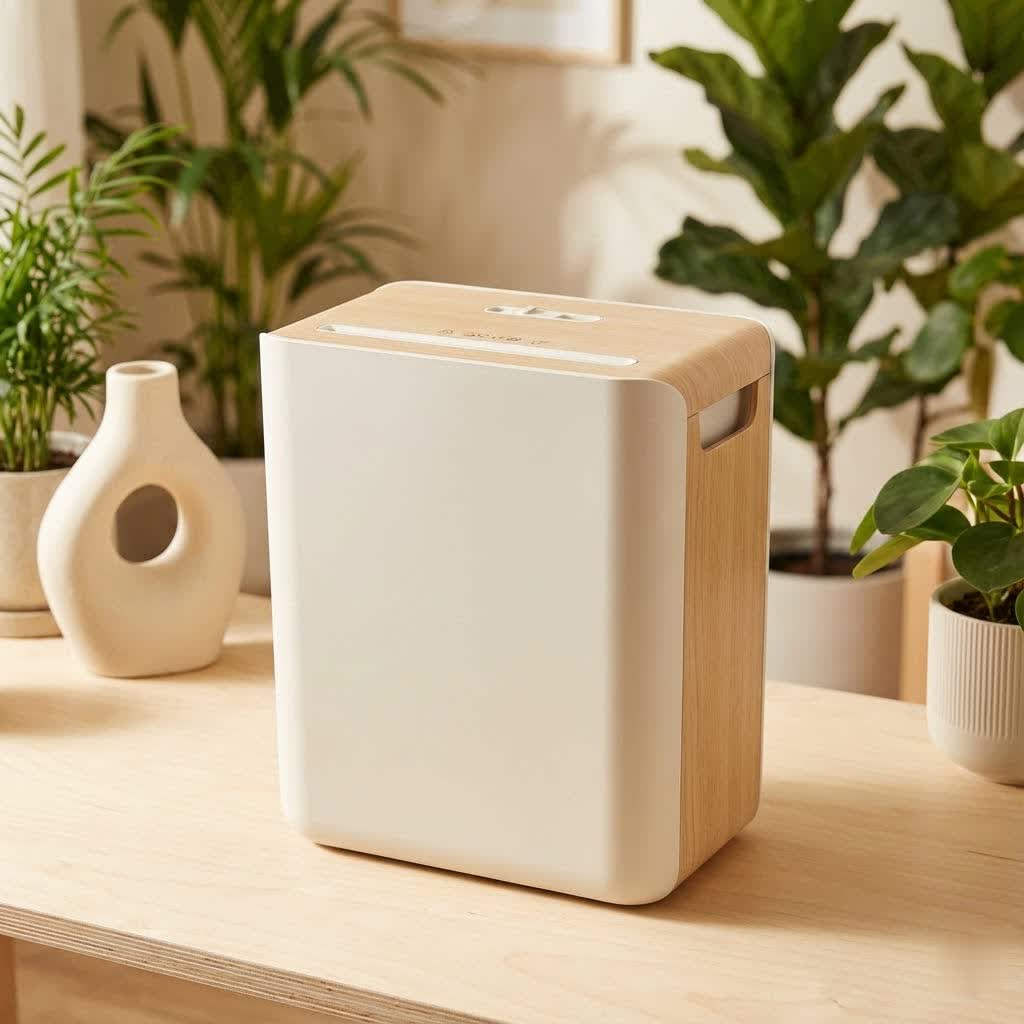
Unpacking the Different Types of Paper Shredders
Not all shredders are created equal. The way a paper shredder cuts your documents directly impacts the level of security it provides. Understanding these differences is the first step in choosing the right tool for your specific needs.
Strip-Cut Shredders
Often referred to as ribbon-cut or spaghetti-cut shredders, these machines cut paper into long, narrow vertical strips. They are typically the most basic and least expensive option.
- Pros:
- Speed: Strip-cut shredders can process documents relatively quickly, as they perform fewer cuts per page.
- Cost-Effective: They are generally the most budget-friendly paper shredder type.
- Cons:
- Minimal Security: The major drawback is their low security. The long strips can potentially be reassembled with enough time and effort, making them unsuitable for truly confidential information. This type of cut is best reserved for non-sensitive documents you simply want to dispose of neatly.
|
Our Picks for the Best Paper Shredder in 2026
As an Amazon Associate I earn from qualifying purchases.
|
||
| Num | Product | Action |
|---|---|---|
| 1 | Amazon Basics 8-Sheet Strip Cut Paper, CD, and Credit Card Shredder with Auto-Off Compact, Portable Design, No Basket, Extendable Arm, Black |

|
| 2 | Woolsche 12-Sheet Cross Cut Paper Shredder with Large 5.55-Gallon Basket - P-4 Security, 3-Mode Shred for Cards/CDs/Staples/Clips - Jam Proof System for Office (ETL Certified) |
|
| 3 | Amazon Basics 8-Sheet Cross Cut Paper Shredder and Credit Card Shredder - Black |
|
| 4 | Fellowes 14C10 14-Sheet Cross-Cut Home Office Paper Shredder |
|
| 5 | Amazon Basics Cross Cut Paper and Credit Card Shredder for Security - 8-Sheet, Heavy Duty, White |
|
| 6 | Suntiko Small Paper Shredder for Home, 6 Sheet Strip Cut Paper Shredder Without Basket,Portable Shredder Extendable Arm Design with Overheat Protection for Home Office |
|
| 7 | Amazon Basics 200-Sheet Auto Feed Cross Cut Paper Shredder with Pullout Basket, Black |
|
| 8 | Amazon Basics Cross Cut Paper and Credit Card Shredder, 12 Sheet (New Model), Black |
|
| 9 | Amazon Basics Paper Shredder for Home and Office, 8-Sheet Strip Cut, CD/ Credit Card Shredder, 3.4 Gallon Wastebasket , Black |
|
| 10 | Amazon Basics 6 Sheet Cross Cut Paper and Credit Card Home Office Shredder with 3.8 Gallon Bin, Black |
|
Cross-Cut Shredders
Stepping up in security, cross-cut shredders (also known as confetti-cut or diamond-cut) slice paper both lengthwise and crosswise, creating smaller, confetti-like pieces. This significantly increases the difficulty of reassembling documents.
- Pros:
- Enhanced Security: Offering a medium level of security, cross-cut shredders are ideal for most personal and small business documents, such as bank statements, invoices, and general confidential files. An A4 sheet shredded by a cross-cut machine can yield around 400 particles, making reconstruction a formidable task.
- Versatility: Many cross-cut models can also handle staples, paper clips, and sometimes even credit cards or CDs.
- Cons:
- Slower Operation: Due to more cuts, they generally operate slower than strip-cut models.
- Higher Maintenance: Their more complex cutting mechanisms often require more regular oiling to maintain peak performance.
Micro-Cut Shredders
For those who demand the absolute highest level of security, micro-cut shredders are the gold standard. These advanced machines shred documents into incredibly tiny, confetti-like particles, sometimes referred to as particle-cut or security-cut.
- Pros:
- Maximum Security: Micro-cut shredders are specifically designed for highly sensitive data, such as financial records, legal documents, proprietary information, and government documents. Reconstruction from these minuscule pieces is virtually impossible, offering unparalleled data protection.
- Compact Shreds: The extremely small particle size means the waste bin fills up slower, requiring less frequent emptying.
- Cons:
- Slower Speed: The intricate cutting process makes them the slowest type of paper shredder.
- Higher Cost: They typically come with a higher price tag due to their advanced engineering.
- Increased Maintenance: Micro-cut shredders often demand more frequent oiling and careful cleaning.
Decoding Security Levels: What the DIN P-Ratings Mean
When selecting a paper shredder, security isn’t just a vague concept; it’s precisely defined by international standards. The DIN 66399 standard, established in 2012, categorizes document destruction into seven security levels, from P-1 to P-7. A higher P-rating signifies a smaller particle size and, consequently, a greater level of data security.
- DIN P-1 & P-2 (Basic Security): Typically strip-cut, these are for general documents where the impact of a data leak is minimal.
- DIN P-3 & P-4 (High Security): Often cross-cut, suitable for sensitive personal or confidential documents like delivery notes with address details or company reports. For most home and small office users, a P-3 or P-4 paper shredder strikes a good balance between security and practicality.
- DIN P-5 (Very High Security): Usually micro-cut, this level is recommended for highly confidential data, offering significantly more security than cross-cut.
- DIN P-6 & P-7 (Top Secret Security): These are the highest levels, used for classified and secret documents, creating fragments so small they are virtually irrecoverable.
“Choosing the right DIN security level for your paper shredder is paramount,” advises Dr. Evelyn Reed, a Senior Data Security Analyst at Mrouk. “It’s not about overkill; it’s about aligning the shredder’s capability with the sensitivity of the information you’re destroying. For most households and small businesses, a P-4 or P-5 offers robust protection against common threats.”
How to Choose the Perfect Paper Shredder for Your Needs
Selecting the ideal paper shredder is about balancing security with your practical usage requirements. Here’s a checklist of key features to consider:
Assess Your Security Requirements
First and foremost, determine the sensitivity of the documents you’ll be shredding.
- Low Sensitivity (Junk mail, old bills without account numbers): A strip-cut (P-1/P-2) might suffice, though generally not recommended by experts.
- Medium Sensitivity (Bank statements, utility bills, personal letters): A cross-cut (P-3/P-4) paper shredder is a good starting point.
- High Sensitivity (Tax documents, medical records, legal papers, client data): Opt for a micro-cut (P-5 or higher) shredder.
Consider Usage Volume and Frequency
Think about how much and how often you’ll be using your paper shredder.
- Sheet Capacity: How many pages can it shred in a single pass? Personal shredders might handle 5-10 sheets, while office models can take 20+ pages. Overloading can lead to jams and motor strain.
- Bin Size: This dictates how frequently you’ll need to empty the shredded waste. Larger bins are convenient for higher volumes, especially for commercial or industrial paper shredder models.
- Run Time & Cool Down: Most home and small office shredders have a limited continuous run time (e.g., 5-10 minutes) before needing a cool-down period (often 20-30 minutes). If you anticipate shredding large batches regularly, look for a “continuous duty” model or one with a longer run time to avoid interruptions.
Material Versatility
Beyond paper, what else do you need to shred?
- Many shredders can handle staples and small paper clips.
- Some are designed to destroy credit cards and CDs/DVDs through a separate slot, protecting your digital data too.
Feed Type: Manual vs. Auto-Feed
- Manual Feed: You feed paper into the slot by hand, typically a few sheets at a time. Ideal for occasional use.
- Auto-Feed: These shredders feature a tray where you can load a large stack of paper (e.g., 100-600 sheets) and walk away. The machine automatically processes the stack. This is a game-changer for efficiency in offices or when you have accumulated a substantial backlog of documents. Look for models with a locking lid for security during auto-feed operations.
Noise Level
If your paper shredder will be used in a shared office or quiet home environment, a quieter model can be a significant advantage. Many manufacturers now offer “silent” or “whisper-quiet” shredders.
Jam Resistance
Features like “jam-proof technology” or “auto-reverse” can detect potential jams and automatically reverse the blades to clear them, saving you frustration and extending the life of your machine.
Keeping Your Shredder in Prime Condition: Usage and Maintenance Tips
A paper shredder is an investment in your security. Just like any other valuable appliance, it needs proper care to ensure its longevity and efficient operation.
Proper Loading Practices
- Don’t Overload: Always stick to the manufacturer’s recommended sheet capacity to prevent jams and motor strain.
- Feed Straight: Insert paper as straight as possible, avoiding crumpled or folded sheets.
- Remove Non-Paper Items: Unless your shredder explicitly states it can handle them, remove staples, paper clips, and adhesive labels. Use designated slots for CDs or credit cards.
Regular Oiling
This is arguably the most critical maintenance step. Lubricating the cutting blades reduces friction, prevents wear, and ensures clean cuts.
- How to Oil: Apply specialized shredder oil in a zigzag pattern across a sheet of paper and feed it through. Alternatively, some machines have dedicated oiling slots. Never use alternatives like WD-40 or vegetable oils, as they can damage your machine.
- Frequency: For heavy use, oil every 2-3 days or after every hour of continuous shredding. For moderate use, weekly is a good rule, and for light home use, monthly or whenever you empty the waste bin is generally sufficient. Micro-cut and high-security shredders typically require more frequent oiling.
Emptying the Bin Regularly
A full collection bin can lead to several issues, including paper jams, overheating, and sensor malfunctions. Make it a habit to empty the bin before it’s completely full. If using shredder bags, avoid solid colored ones, as they can interfere with “bin full” sensors.
Cleaning the Blades and Sensors
Over time, paper dust and debris can accumulate between the cutting blades and block optical sensors.
- Blades: After emptying the bin, use a soft brush or a can of compressed air to clear out dust and small paper particles.
- Sensors: If your shredder has a “bin full” or safety sensor (often light-based), clean it with a dry cloth or compressed air if it’s acting erratically.
Running in Reverse
Occasionally running your paper shredder in reverse for a few seconds can help dislodge small paper particles and prevent them from wadding up between the blades, maintaining optimal performance.
Troubleshooting Common Paper Shredder Woes
Even with the best maintenance, a paper shredder might encounter a hiccup now and then. Here are solutions to the most common problems:
Paper Jams
This is by far the most frequent issue.
- Symptoms: The shredder stops, makes a grinding noise, or paper gets stuck in the feed slot.
- Fixes:
- Stop immediately and use the reverse function. This often clears minor jams. Alternate between forward and reverse, gently pulling the paper out.
- Unplug the shredder for safety. Use tweezers or pliers to carefully remove any visible paper blockage from the blades. Never use your hands unless the unit is unplugged!
- After clearing, run a lubricated sheet through the shredder to ensure smooth operation.
- Prevention: Do not overload, feed paper straight, and ensure regular oiling.
Overheating
Many home and small office shredders are not designed for continuous heavy use.
- Symptoms: The shredder suddenly stops mid-job, often accompanied by an indicator light or automatic shutdown.
- Fixes: Allow the shredder to cool down completely, typically for 20-30 minutes, before resuming use.
- Prevention: Adhere to the manufacturer’s recommended run time and cool-down periods. Ensure the shredder is placed in a well-ventilated area with unblocked vents.
Shredder Won’t Turn On
This can be frustratingly simple to fix.
- Symptoms: No power, no response when switched on.
- Fixes:
- Check the power cord: Ensure it’s securely plugged into both the shredder and a working wall outlet. Test the outlet with another device.
- Verify bin seating: Many shredders have a safety feature that prevents operation if the waste bin is not correctly seated or the cutting head is out of place.
- Clean sensors: Dust buildup on “bin full” or safety sensors can sometimes prevent operation.
Unusual Noises (Grinding or Squealing)
A healthy paper shredder runs with a consistent hum.
- Symptoms: The machine operates louder than usual, or you hear grinding/squealing sounds.
- Fixes: This is a classic sign that the blades need lubrication. Oil your shredder using the recommended method.
Paper Not Feeding Properly / Hesitant Start
If the shredder engages but doesn’t pull paper in, or starts slowly.
- Symptoms: Blades aren’t gripping paper, or the machine struggles to begin shredding.
- Fixes: Check for small jams or paper residue on the entry rollers. Oil the blades. Sometimes, a full bin can also cause hesitation. If the cutting mechanism isn’t rotating at all, it might indicate stripped gears or internal damage requiring professional servicing.
Frequently Asked Questions
How often should I oil my paper shredder?
For optimal performance, oil your paper shredder after every time you empty the waste bin, or after about an hour of continuous shredding. High-security (micro-cut) models may need oiling more frequently than strip-cut or cross-cut shredders.
Can I shred credit cards and CDs in any paper shredder?
No, only paper shredder models specifically designed for non-paper materials can safely shred credit cards and CDs. Look for models with separate designated slots for these items. Attempting to shred them in a standard paper-only shredder can cause severe damage to the blades and motor.
What does a DIN P-rating mean for paper shredders?
The DIN P-rating refers to the DIN 66399 standard, which defines seven security levels (P-1 to P-7) for data destruction. A higher P-number indicates a smaller particle size after shredding, offering a greater level of security against data reconstruction.
Why does my paper shredder keep jamming?
Frequent jamming is often caused by overloading the paper shredder beyond its sheet capacity, feeding crumpled or folded paper, or a lack of proper lubrication for the blades. Regular oiling and respecting the shredder’s limits can significantly reduce jams.
How do I know if my paper shredder is overheating?
Most paper shredder models have an automatic thermal overload protection that will stop the machine when it gets too hot, often indicated by a specific light. If your shredder suddenly stops mid-job and isn’t jammed, it’s likely taking a cool-down break.
Is a strip-cut shredder secure enough for home use?
While less expensive, a strip-cut paper shredder offers minimal security as documents can be easily reassembled. For any documents containing personal or financial information, a cross-cut (P-3/P-4) or micro-cut (P-5) shredder is highly recommended to protect against identity theft.
Conclusion
In an era where personal and professional data is constantly under threat, a reliable paper shredder is no longer a luxury but a crucial component of any robust security strategy. From understanding the nuances of strip-cut, cross-cut, and micro-cut designs to deciphering DIN security levels and mastering essential maintenance, you now have the knowledge to make an informed choice. By selecting the right paper shredder for your specific needs and treating it with the care it deserves, you’re not just destroying documents; you’re actively protecting your privacy, your business, and your peace of mind. Invest wisely, shred responsibly, and keep your confidential information exactly where it belongs: out of the wrong hands.
