In the high-stakes world of diplomacy and international relations, information is power, and its protection is paramount. While a standard office shredder might suffice for everyday invoices, an Embassy Paper Shredder is an entirely different beast, designed to be the last line of defense against information leaks and espionage. If you’re involved in securing sensitive documents, you know that compromise isn’t an option. This guide will walk you through everything you need to know about selecting, using, and maintaining these critical machines to ensure your confidential data remains just that: confidential.
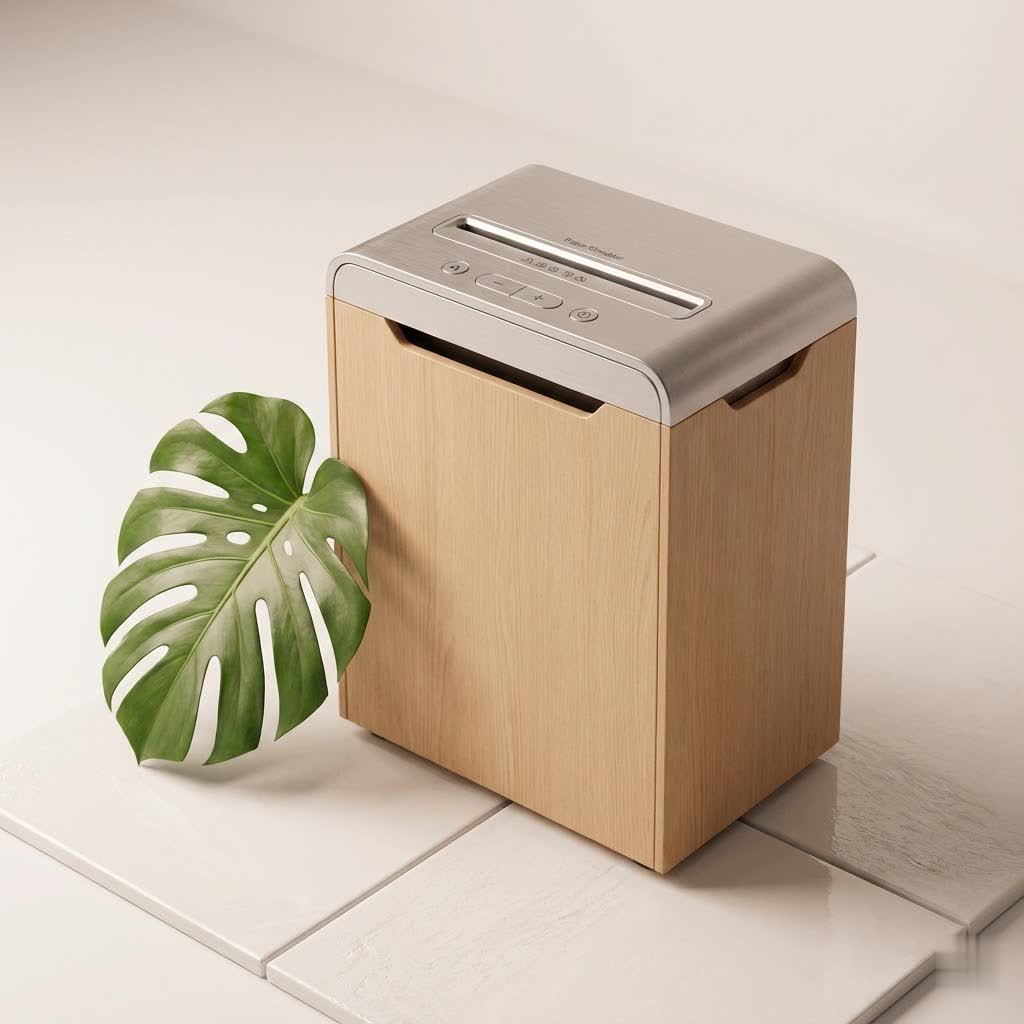
Understanding Security: More Than Just Shredding Paper
When it comes to protecting state secrets or critical diplomatic communications, simply tearing paper isn’t enough. The goal is to render information irrecoverable.
What Makes an Embassy Paper Shredder Different?
|
Our Picks for the Best Paper Shredder in 2026
As an Amazon Associate I earn from qualifying purchases.
|
||
| Num | Product | Action |
|---|---|---|
| 1 | Fellowes 14C10 14-Sheet Cross-Cut Home Office Paper Shredder |

|
| 2 | Amazon Basics 8-Sheet Strip Cut Paper, CD, and Credit Card Shredder with Auto-Off Compact, Portable Design, No Basket, Extendable Arm, Black |
|
| 3 | Woolsche 12-Sheet Cross Cut Paper Shredder with Large 5.55-Gallon Basket - P-4 Security, 3-Mode Shred for Cards/CDs/Staples/Clips - Jam Proof System for Office (ETL Certified) |
|
| 4 | Amazon Basics Paper Shredder for Home and Office, 8-Sheet Strip Cut, CD/ Credit Card Shredder, 3.4 Gallon Wastebasket , Black |
|
| 5 | Suntiko Small Paper Shredder for Home, 6 Sheet Strip Cut Paper Shredder Without Basket,Portable Shredder Extendable Arm Design with Overheat Protection for Home Office |
|
| 6 | Amazon Basics 200-Sheet Auto Feed Cross Cut Paper Shredder with Pullout Basket, Black |
|
| 7 | Amazon Basics Cross Cut Paper and Credit Card Shredder for Security - 8-Sheet, Heavy Duty, White |
|
| 8 | Amazon Basics 6 Sheet Cross Cut Paper and Credit Card Home Office Shredder with 3.8 Gallon Bin, Black |
|
| 9 | Amazon Basics 8-Sheet Cross Cut Paper Shredder and Credit Card Shredder - Black |
|
| 10 | Amazon Basics Cross Cut Paper and Credit Card Shredder, 12 Sheet (New Model), Black |
|
An embassy paper shredder stands out due to its uncompromising focus on security, durability, and operational reliability. These aren’t machines for casual use; they are purpose-built for environments where data breach carries severe consequences. They feature robust motors, high-capacity waste bins, and, most crucially, advanced shredding mechanisms designed to produce minuscule particles.
The DIN 66399 Standard: Your Security Blueprint
The international DIN 66399 standard is the global benchmark for secure data destruction, categorizing different security levels (P-1 to P-7) based on the size of the shredded particles. For embassy use, your focus should almost exclusively be on the higher security levels:
- P-5: Produces particles smaller than 30 mm² (e.g., 2x15mm). Suitable for “data requiring a high level of security” – think internal reports or personnel files.
- P-6: Produces particles smaller than 10 mm² (e.g., 1x10mm). Ideal for “data requiring an exceptionally high level of security” – often used for classified documents.
- P-7: The pinnacle of security, yielding particles smaller than 5 mm² (e.g., 0.8x5mm or 1x4mm). This level is mandatory for “data requiring the highest level of security,” making it the non-negotiable choice for top-secret and highly sensitive diplomatic documents.
Beyond DIN: NSA/CSS 02-01 Compliance
For U.S. government agencies and many international organizations, NSA/CSS 02-01 (or its European equivalent) is the gold standard for high-security paper shredders. This specification goes beyond particle size, mandating rigorous testing for cutter head design, motor strength, durability, and even safety features. If your embassy deals with sensitive U.S. government information, compliance with NSA/CSS 02-01 is often a strict requirement for your embassy paper shredder.
Types of Shreds: Strip-Cut, Cross-Cut, and Micro-Cut for Ultimate Protection
The way a shredder cuts paper dictates its security level.
- Strip-Cut Shredders: These cut paper into long, thin strips. They offer minimal security (P-1, P-2) and are unsuitable for confidential documents.
- Cross-Cut Shredders: These cut paper both lengthwise and widthwise, creating small rectangular or diamond-shaped pieces. They provide good security (P-3, P-4, P-5) for many sensitive documents.
- Micro-Cut Shredders: The superior choice for high-security applications, micro-cut shredders produce tiny, confetti-like particles, often meeting P-6 and P-7 standards. Reconstructing documents shredded by a micro-cut embassy paper shredder is virtually impossible, even with sophisticated methods. For diplomatic missions, micro-cut is the definitive choice.
Choosing Your Fortress: Key Features of a Top-Tier Embassy Paper Shredder
Selecting the right embassy paper shredder requires careful consideration of several critical features that go beyond mere security levels.
Capacity and Throughput: Handling High Volumes with Ease
Embassies often process a significant volume of documents daily. Your shredder needs to keep up.
- Sheet Capacity: This indicates how many sheets the shredder can process in a single pass. For embassy use, look for machines capable of shredding 15-30+ sheets at once.
- Bin Volume: A larger waste bin means less frequent emptying, increasing efficiency. Consider capacities ranging from 20 gallons (approx. 75 liters) upwards.
- Continuous Duty Cycle: Unlike home shredders that need to cool down frequently, a commercial-grade embassy paper shredder should offer a continuous duty cycle or run for extended periods (30+ minutes) without overheating. This is crucial for high-volume operations.
Durability and Build Quality: Built to Last in Demanding Environments
An embassy paper shredder is an investment in security, and it needs to be built to last.
- Steel Cutters: Look for solid steel cutters that can withstand the rigors of continuous use and reliably shred paper, staples, and even small paper clips (though it’s always best practice to remove them).
- Robust Motor: A powerful, fan-cooled motor is essential for continuous operation and preventing jams. Overheating is a common cause of shredder failure, so a well-engineered cooling system is key.
- Heavy-Duty Construction: The overall construction of the machine should feel solid and stable, indicating its ability to withstand constant operation.
Advanced Features for Enhanced Operation
Modern embassy paper shredder models often include features that significantly improve user experience and machine longevity:
- Jam Prevention and Automatic Reverse: These intelligent systems detect potential jams and automatically reverse the shredding process to clear the feed, minimizing downtime and frustration.
- Auto-Oiling Systems: High-security shredders, especially micro-cut models, require regular oiling to keep the cutters lubricated and sharp. An automatic oiler ensures consistent maintenance, extending the machine’s lifespan and maintaining optimal performance.
- Quiet Operation: In a busy office environment, a noisy shredder can be a major distraction. Look for models advertised with low decibel ratings to ensure a more peaceful workspace.
- Energy Efficiency: Features like “sleep mode” or “zero energy consumption” when idle can help reduce electricity costs over time.
Size and Placement: Fitting Your Security Solution
Consider the physical footprint of the shredder and where it will be located. Some embassies might opt for large, centralized shredders, while others might prefer smaller, departmental units. Ensure easy access for feeding and waste disposal.
Maintaining Your Embassy Paper Shredder: A Pillar of Ongoing Security
Even the most robust embassy paper shredder requires proper care to perform optimally and last for years. Neglecting maintenance can lead to frustrating jams, reduced efficiency, and even premature failure.
Essential Shredder Care: Oiling is Non-Negotiable
This is perhaps the most critical maintenance task for any high-security shredder.
- Why Oil? Oiling lubricates the cutting blades, reduces friction, prevents wear and tear, and ensures clean, efficient shredding. Without it, blades become dull, and the motor works harder, leading to overheating and jams.
- How Often? If your shredder has an auto-oiler, keep its reservoir full. For manual oiling, shredders processing highly sensitive documents or large volumes should be oiled every time the waste bin is emptied, or at least several times a day for heavy usage.
- What Kind of Oil? Always use shredder-specific oil. Never use WD-40, vegetable oil, or other lubricants not designed for paper shredders, as these can damage the cutters and void warranties.
Preventing Jams: Best Practices for Loading Documents
While modern embassy paper shredder models have jam prevention, mindful usage is key.
- Don’t Overload: Always respect the shredder’s stated sheet capacity. Forcing too many sheets through at once is a surefire way to cause a jam.
- Remove Obstacles: While many heavy-duty shredders can handle staples and paper clips, it’s always best practice to remove them from highly sensitive documents to minimize wear on the cutters and ensure smoother operation.
- Feed Evenly: Try to feed documents as evenly as possible. Crumpled paper or documents folded multiple times can create uneven thickness, increasing the risk of jams.
Troubleshooting Common Issues
Even with the best maintenance, issues can arise. Here are quick tips for common problems:
- Shredder Won’t Turn On: Check power connection. The waste bin might not be fully seated; ensure it’s pushed in securely to activate the safety switch.
- Paper Jammed: Use the reverse function. If persistent, unplug the machine, and carefully try to remove the paper manually using long tweezers or pliers, being very careful around the sharp blades. Never stick your fingers into the feed slot.
- Motor Overheating: If the shredder stops with a thermal overload light, it simply needs to cool down. Unplug it and let it rest for 20-30 minutes before resuming operation. This is often a sign of heavy use or a dull blade needing oiling.
- Dull Blades/Poor Performance: Regular oiling is the solution here. If performance doesn’t improve after oiling, the blades might be worn and could require professional servicing or replacement.
Why Your Embassy Needs a Dedicated Paper Shredder Solution
The stakes for data security in an embassy or diplomatic mission are incredibly high. A specialized embassy paper shredder isn’t just a convenience; it’s a necessity.
Protecting Sensitive Information and National Security
Diplomatic communications, intelligence reports, visa applications, and internal policy documents often contain information that, if compromised, could have far-reaching national security implications. An embassy paper shredder provides the peace of mind that once a document is deemed obsolete, its information is permanently destroyed and irretrievable.
Ensuring Compliance with Data Protection Regulations
Beyond national security, embassies must also comply with various international and local data protection regulations, such as GDPR or similar privacy laws. These regulations often mandate specific security measures for handling and disposing of personal and sensitive data. Using a high-security shredder helps ensure your mission meets these stringent compliance requirements, avoiding severe penalties and reputational damage.
“In the realm of diplomatic communications, every piece of paper is a potential vulnerability. An embassy paper shredder isn’t just a machine; it’s a critical component of your information security infrastructure.” – Dr. Evelyn Reed, International Security Analyst.
Frequently Asked Questions About Embassy Paper Shredders
What is the best security level for an embassy paper shredder?
For highly sensitive diplomatic and government documents, a P-7 security level shredder, which produces particles smaller than 5mm², is the absolute best and often mandatory choice. This ensures the highest level of data destruction and makes document reconstruction virtually impossible.
How often should I oil my embassy paper shredder?
If your shredder has an auto-oiling system, keep its reservoir filled. For manual oiling, an embassy paper shredder under heavy use should be oiled at least once for every time the waste bin is emptied, or several times a day, to maintain blade lubrication and performance.
Can an embassy paper shredder handle staples and paper clips?
Most commercial-grade embassy paper shredder models with robust steel cutters are designed to handle small staples and paper clips without damage. However, for optimum performance and to prolong blade life, it is always recommended to remove them from documents before shredding, especially for P-6 and P-7 security level machines.
What’s the difference between a cross-cut and a micro-cut shredder for sensitive documents?
A cross-cut shredder cuts paper into small rectangular or diamond shapes, offering good security (up to P-5). A micro-cut shredder, however, produces much smaller, confetti-like particles, providing superior security (P-6 or P-7) which is essential for embassy-level confidential documents.
Are embassy paper shredders noisy?
While older or lower-quality commercial shredders can be noisy, many modern embassy paper shredder models are designed with “silent” or “whisper-quiet” technology. They often incorporate noise reduction features to minimize disruption in busy office environments, making them suitable for diplomatic settings where quiet operations are preferred.
The Final Cut: Securing Your Diplomatic Data
Choosing an embassy paper shredder is not a decision to take lightly. It’s a strategic investment in the security infrastructure of your mission. By understanding the critical importance of high-security standards like DIN P-7 and NSA/CSS 02-01, opting for micro-cut technology, and prioritizing robust features like continuous duty cycles and auto-oiling, you equip your team with the ultimate tool for document destruction. Remember, in diplomacy, every piece of information matters, and its secure disposal is as crucial as its initial protection. Invest wisely, maintain diligently, and safeguard your sensitive data with an embassy paper shredder that truly delivers uncompromised security.
