In our increasingly digital world, it’s easy to overlook the physical paper trail we still leave behind. Yet, those seemingly innocent documents, from utility bills to financial statements, hold a treasure trove of personal and sensitive information that identity thieves would love to get their hands on. As someone who has spent over 15 years immersed in the world of document destruction, I can tell you that a robust paper shredder isn’t just an office gadget; it’s a vital component of your personal and business security strategy. And when it comes to safeguarding your most confidential data, the micro-cut paper shredder stands head and shoulders above the rest.
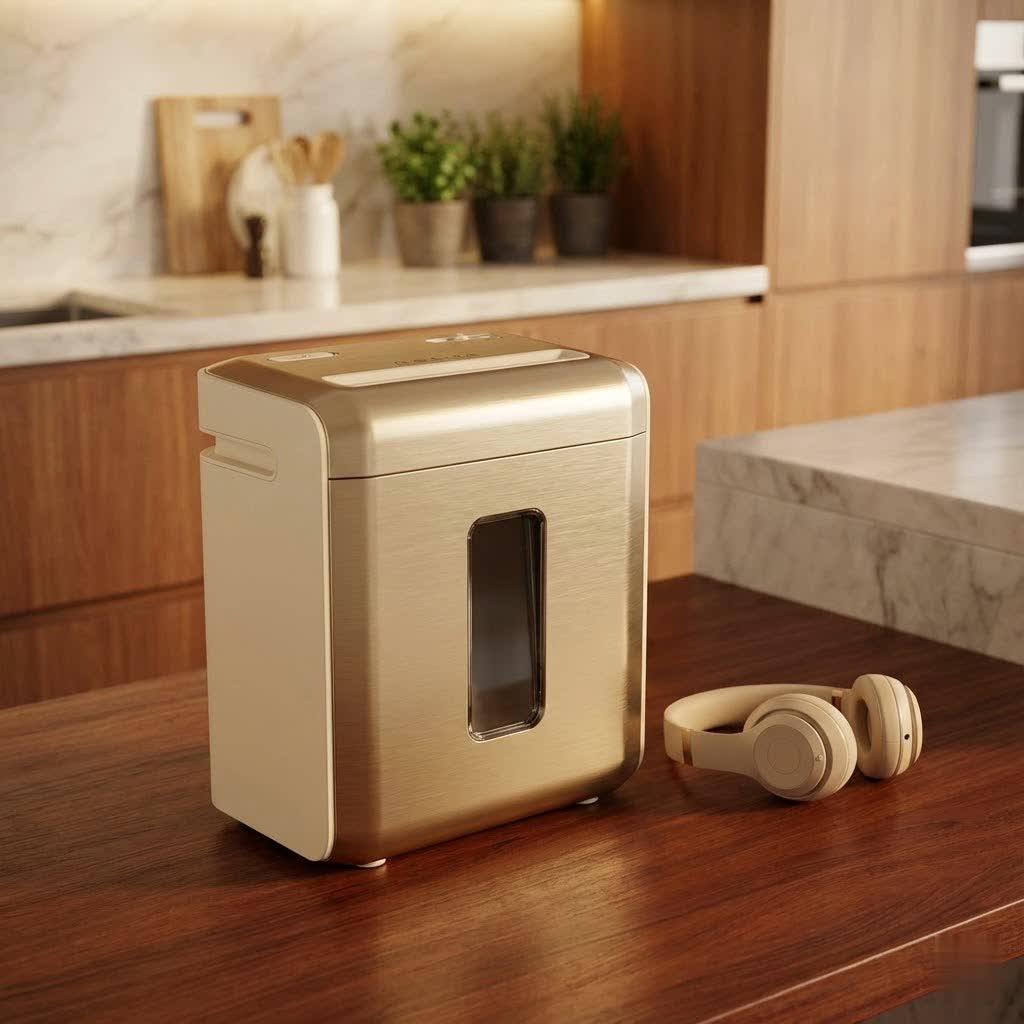
At Mrouk, we’re dedicated to helping you navigate the complexities of secure document disposal, ensuring you make informed choices that protect what matters most. Let’s dive deep into why a micro-cut paper shredder is the ultimate choice for unparalleled data protection and how to pick the perfect one for your needs.
What Makes a Micro-Cut Paper Shredder the Security Champion?
You might be thinking, “A shredder is a shredder, right?” Not quite! The way a shredder cuts paper dictates its security level, and micro-cut technology is at the pinnacle. Unlike strip-cut shredders, which create long, thin strips that can be relatively easily reassembled, or even cross-cut shredders that produce small rectangles, micro-cut shredders go a step further.
How Micro-Cut Shredders Work
|
Our Picks for the Best Paper Shredder in 2026
As an Amazon Associate I earn from qualifying purchases.
|
||
| Num | Product | Action |
|---|---|---|
| 1 | Amazon Basics 8-Sheet Cross Cut Paper Shredder and Credit Card Shredder - Black |

|
| 2 | Suntiko Small Paper Shredder for Home, 6 Sheet Strip Cut Paper Shredder Without Basket,Portable Shredder Extendable Arm Design with Overheat Protection for Home Office |
|
| 3 | Amazon Basics 8-Sheet Strip Cut Paper, CD, and Credit Card Shredder with Auto-Off Compact, Portable Design, No Basket, Extendable Arm, Black |
|
| 4 | Amazon Basics Cross Cut Paper and Credit Card Shredder for Security - 8-Sheet, Heavy Duty, White |
|
| 5 | Woolsche 12-Sheet Cross Cut Paper Shredder with Large 5.55-Gallon Basket - P-4 Security, 3-Mode Shred for Cards/CDs/Staples/Clips - Jam Proof System for Office (ETL Certified) |
|
| 6 | Amazon Basics Cross Cut Paper and Credit Card Shredder, 12 Sheet (New Model), Black |
|
| 7 | Fellowes 14C10 14-Sheet Cross-Cut Home Office Paper Shredder |
|
| 8 | Amazon Basics 200-Sheet Auto Feed Cross Cut Paper Shredder with Pullout Basket, Black |
|
| 9 | Amazon Basics Paper Shredder for Home and Office, 8-Sheet Strip Cut, CD/ Credit Card Shredder, 3.4 Gallon Wastebasket , Black |
|
| 10 | Amazon Basics 6 Sheet Cross Cut Paper and Credit Card Home Office Shredder with 3.8 Gallon Bin, Black |
|
A micro-cut paper shredder employs a sophisticated dual-blade system that cuts paper both lengthwise and widthwise, but into much finer particles than a cross-cut. Imagine confetti, but even tinier – often resembling dust or pulp. This precise cutting action typically reduces an A4 sheet of paper into hundreds, sometimes thousands, of minuscule pieces, making reconstruction virtually impossible. This superior level of destruction is precisely why they’re often referred to as “security-cut” shredders.
Understanding DIN Security Levels
When evaluating any paper shredder, you’ll encounter DIN security levels, a globally recognized standard (DIN 66399) that quantifies the shred size and thus the security of the shredded material. For micro-cut shredders, you’re generally looking at levels P-4, P-5, P-6, or even P-7.
- P-4: Good for confidential documents, often considered the minimum for GDPR compliance.
- P-5: Excellent for sensitive data, like financial records and personnel files.
- P-6/P-7: The highest security levels, recommended for classified government documents or extremely sensitive corporate information.
“Choosing a micro-cut shredder with a P-5 security rating or higher gives me peace of mind, knowing that even the most determined individual wouldn’t be able to piece my documents back together,” says Eleanor Vance, a data security consultant with two decades of experience.
Why Should You Invest in a Micro-Cut Shredder?
Beyond the sheer satisfaction of turning sensitive documents into unreadable confetti, there are several compelling reasons why a micro-cut paper shredder is a smart investment for both homes and businesses.
Superior Security Against Identity Theft
This is the big one. In an age where identity theft is rampant, a micro-cut shredder is your best defense. Regular junk mail, old statements, and even seemingly unimportant documents can contain enough information to compromise your identity. With micro-cut shredding, the fragments are so small that the chances of anyone ever piecing them back together are infinitesimally low, offering maximum security.
Space Efficiency in Your Waste Bin
While it might seem counterintuitive, those tiny micro-cut particles actually take up less space in your shredder’s waste bin. Because the paper is pulverized into such fine pieces, they compress more efficiently. This means you won’t have to empty your shredder as often, saving you time and effort, especially if you deal with a high volume of documents.
Meeting Compliance and Regulatory Requirements
For businesses, particularly in sectors like healthcare (HIPAA) or finance (GLBA), regulatory compliance isn’t just good practice—it’s mandatory. Micro-cut shredders help ensure that discarded client and patient information is destroyed to an unrecoverable state, protecting your organization from hefty fines and reputational damage.
Key Features to Look for in the Best Micro-Cut Paper Shredder
When you’re ready to choose your micro-cut shredder, consider these essential features to find a model that perfectly matches your security needs and usage habits.
1. Sheet Capacity and Bin Size
- Sheet Capacity: This indicates how many sheets of paper the shredder can handle in a single pass. Smaller home-use models might handle 6-10 sheets, while office-grade machines can often take 12-20 sheets, and auto-feed options can manage hundreds. Consider your typical shredding volume.
- Bin Size: Measured in gallons or liters, a larger bin means less frequent emptying. This is particularly beneficial for micro-cut shredders due to their efficient particle compression. Look for pull-out bins for easier disposal, as opposed to lifting the entire shredder head.
2. Run Time and Cool-Down Period
Paper shredders generate heat. The “run time” is how long the shredder can continuously operate before needing a break to cool down. Micro-cut shredders, with their intricate cutting mechanisms, can sometimes have shorter continuous run times than strip-cut models. If you have large batches of documents to shred, look for a machine with a longer run time (e.g., 20-30 minutes or more) and a shorter cool-down period. Some heavy-duty models even boast continuous operation.
3. Noise Level
No one enjoys a loud shredder. Manufacturers often specify the noise level in decibels (dB). If your shredder will be used in a shared office space or a quiet home environment, opt for models advertised as “ultra-quiet” or “silent.”
4. Anti-Jam Technology
Paper jams are frustrating. Many modern micro-cut shredders come with advanced anti-jam features, which can sense when too much paper is inserted and either stop or reverse automatically to prevent a jam. This saves time and prolongs the life of your machine.
5. Ability to Shred Other Materials
While paper is primary, many micro-cut shredders can also destroy credit cards, staples, paper clips, and even CDs/DVDs. This is a convenient feature for comprehensive document and media destruction, ensuring no sensitive information slips through the cracks. Check the specifications carefully, as some higher-security models might not be designed for non-paper items.
6. Auto-Feed Functionality
For those big shredding jobs, an auto-feed mechanism can be a game-changer. You simply load a stack of paper into a tray, and the shredder automatically feeds and destroys it, freeing you up to do other tasks. This feature is particularly valuable in busy office settings or for home users tackling a backlog of documents.
Maintenance Tips to Extend the Life of Your Micro-Cut Shredder
Even the best micro-cut paper shredder needs a little love to keep running smoothly. Regular maintenance is key to preventing common issues and ensuring longevity.
1. Regular Oiling is Non-Negotiable
This is perhaps the most critical maintenance step for any shredder, especially micro-cut models with their finer blades. Oiling reduces friction, prevents wear on the cutting cylinders, and ensures smooth, quiet operation.
- How often? A good rule of thumb is to oil your shredder every time you empty the waste bin, or after every hour of continuous shredding. Micro-cut shredders may require more frequent oiling due to their complex mechanisms.
- How to oil: Apply a zigzag pattern of shredder oil across a sheet of paper and run it through the shredder. Follow up with a dry sheet to clean excess oil. Alternatively, some manufacturers recommend applying oil directly to the feed opening. Always check your user manual for specific instructions and only use dedicated shredder oil.
2. Empty the Bin Regularly
While micro-cut shreds are compact, a full bin can trigger sensors and prevent the shredder from operating, or even lead to jams. Empty it before it’s completely overflowing. Using shredder bags can also simplify disposal and keep the bin area cleaner.
3. Avoid Overloading
Resist the temptation to exceed the stated sheet capacity. Overloading strains the motor and can quickly dull or damage the cutting blades, leading to jams and premature wear. Feed paper in manageable batches.
4. Clean Dust and Debris
Fine paper dust and debris can accumulate around the cutting blades and sensors, impairing performance. Unplug the shredder, then use a soft brush or canned air to gently clean these areas. Avoid using wet cloths or harsh cleaning solutions.
5. Allow for Cool Down
If your shredder has been working hard, respect its cool-down period. Pushing it when it’s overheated can damage the motor and internal components, potentially leading to permanent failure.
Troubleshooting Common Micro-Cut Shredder Problems
Even with the best care, sometimes things go awry. Here are a few common issues and how to tackle them:
Q: My shredder won’t turn on. What’s wrong?
A: First, ensure the shredder is securely plugged into a working outlet. Check that the shredder head is properly seated on its waste bin, as safety interlocks prevent operation if it’s misaligned. Also, verify that the waste bin isn’t full and that no paper is blocking the feed entry sensors.
Q: Why does my shredder stop in the middle of shredding?
A: This usually indicates that the shredder has overheated. Most models have thermal protection and will automatically shut off to prevent damage. Give it a break – typically 20-30 minutes – to cool down before resuming. It could also be a full waste bin or a jam.
Q: My paper shredder has a jam. How do I fix it?
A: For most jams, switch the shredder to reverse mode and gently pull the paper out. If it’s a persistent issue, try oiling the blades as described above. If the auto-start sensor is blocked by paper dust, carefully clean it with a cotton swab or insert a rigid piece of cardstock to push any obstruction through.
Q: My shredder is making strange noises. Is it broken?
A: Increased noise often signifies that your shredder’s blades need oiling. Lubrication can make a significant difference in reducing friction and noise. If the noise persists after oiling, it might indicate a more serious mechanical issue, such as worn gears, which may require professional servicing.
Conclusion: Shred with Confidence and Security
In today’s world, protecting your sensitive information is paramount. A micro-cut paper shredder isn’t just a purchase; it’s an investment in your peace of mind and security. By understanding the unparalleled protection they offer, recognizing the key features that matter most, and committing to simple, regular maintenance, you can ensure your documents are destroyed effectively and your shredder remains a reliable guardian of your data for years to come.
Take control of your privacy and discard your documents the smart, secure way. Explore the range of micro-cut paper shredders, and empower yourself with the ultimate tool for information security. Your confidential data deserves nothing less than the best.
