In today’s fast-paced office environment, sensitive information is everywhere. From client records and financial statements to employee data and strategic plans, the paper trail can be extensive. Protecting this information isn’t just good practice; it’s a legal and ethical imperative. That’s where a robust Heavy Duty Office Paper Shredder steps in, becoming an indispensable guardian of your data security. Forget those flimsy, slow machines that constantly jam; a heavy-duty shredder is built for the demands of a busy workplace, offering superior performance, enhanced security, and reliable operation. As someone who’s spent over 15 years knee-deep in shredded paper, I can tell you that investing in the right heavy duty office paper shredder is one of the smartest decisions you’ll make for your business.
What Makes a Shredder “Heavy-Duty”?
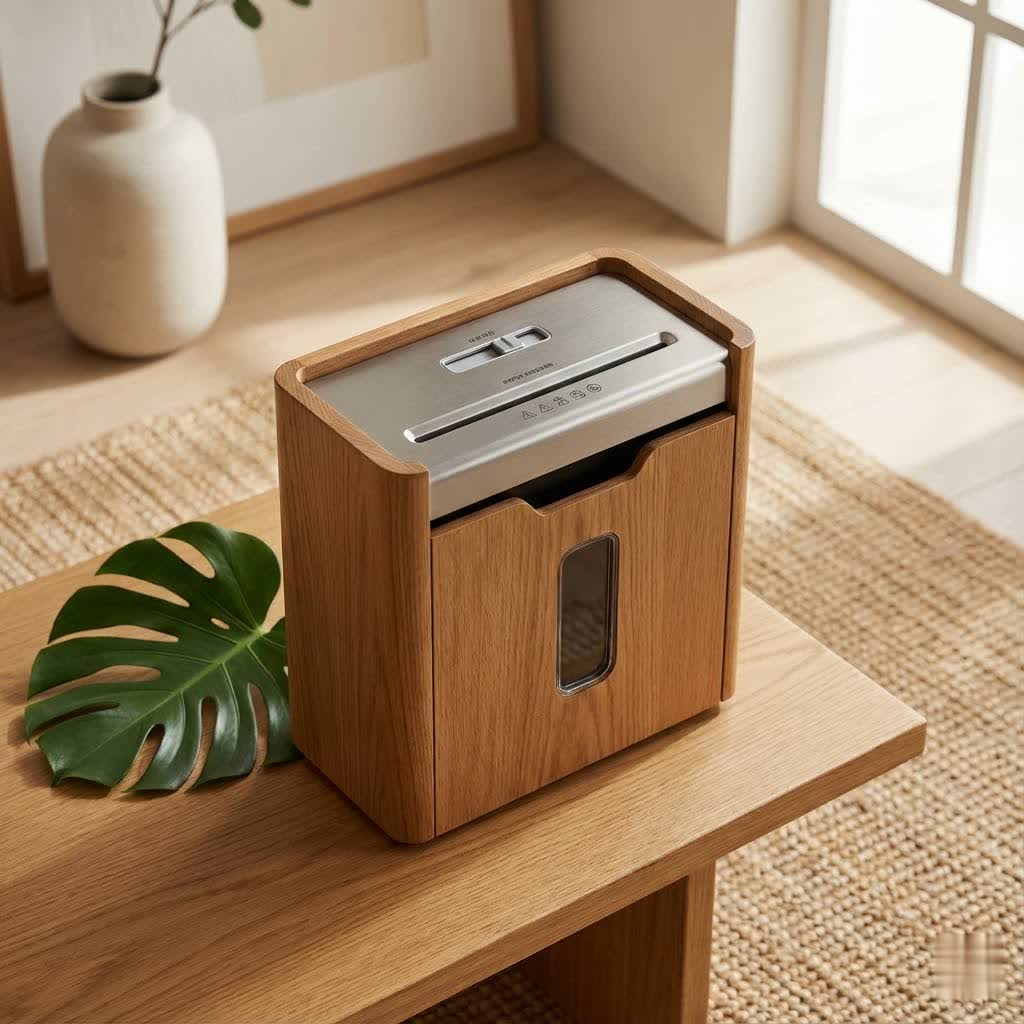
When we talk about a “heavy-duty” paper shredder, we’re not just using a fancy marketing term. We’re referring to a class of machines designed to handle significant volumes of paper with greater efficiency and durability than their home or small office counterparts. It’s about raw power and endurance.
Beyond the Basics: Run Time, Sheet Capacity, Waste Bin
|
Our Picks for the Best Paper Shredder in 2026
As an Amazon Associate I earn from qualifying purchases.
|
||
| Num | Product | Action |
|---|---|---|
| 1 | Amazon Basics Cross Cut Paper and Credit Card Shredder, 12 Sheet (New Model), Black |

|
| 2 | Amazon Basics Paper Shredder for Home and Office, 8-Sheet Strip Cut, CD/ Credit Card Shredder, 3.4 Gallon Wastebasket , Black |
|
| 3 | Amazon Basics 200-Sheet Auto Feed Cross Cut Paper Shredder with Pullout Basket, Black |
|
| 4 | Fellowes 14C10 14-Sheet Cross-Cut Home Office Paper Shredder |
|
| 5 | Amazon Basics Cross Cut Paper and Credit Card Shredder for Security - 8-Sheet, Heavy Duty, White |
|
| 6 | Woolsche 12-Sheet Cross Cut Paper Shredder with Large 5.55-Gallon Basket - P-4 Security, 3-Mode Shred for Cards/CDs/Staples/Clips - Jam Proof System for Office (ETL Certified) |
|
| 7 | Amazon Basics 8-Sheet Cross Cut Paper Shredder and Credit Card Shredder - Black |
|
| 8 | Amazon Basics 6 Sheet Cross Cut Paper and Credit Card Home Office Shredder with 3.8 Gallon Bin, Black |
|
| 9 | Suntiko Small Paper Shredder for Home, 6 Sheet Strip Cut Paper Shredder Without Basket,Portable Shredder Extendable Arm Design with Overheat Protection for Home Office |
|
| 10 | Amazon Basics 8-Sheet Strip Cut Paper, CD, and Credit Card Shredder with Auto-Off Compact, Portable Design, No Basket, Extendable Arm, Black |
|
A true heavy duty office paper shredder boasts impressive specifications. We’re looking at a high sheet capacity, meaning it can shred a large stack of paper (often 20+ sheets) in a single pass, drastically speeding up the shredding process. Equally important is the run time, also known as the duty cycle. While a typical home shredder might conk out after 5-10 minutes, a heavy-duty model can run for 30 minutes, 60 minutes, or even operate continuously without needing a cool-down break. This is critical for offices with a constant flow of documents. And let’s not forget waste bin capacity; a generous bin means less frequent emptying, keeping your team focused on their work rather than on trash duty.
The Power Under the Hood: Motor Strength and Continuous Operation
The secret sauce of a heavy-duty shredder lies in its powerful, robust motor. These “endurance” motors are specifically engineered to shred larger amounts of documents for much longer periods without overheating. Some top-tier models even feature a continuous-duty motor, which is a game-changer. Imagine being able to shred all day long without interruptions, perfectly suiting high-volume shredding needs for larger departments or multiple users. This kind of relentless performance is what truly defines a heavy duty office paper shredder.
Understanding Shred Types and Security Levels
Not all shredding is created equal. The type of cut a shredder produces directly impacts the security of your destroyed documents. For an office, especially one handling sensitive information, understanding these differences is paramount.
Strip-Cut: Basic Security for General Waste
Strip-cut shredders are the simplest, slicing paper into long, thin strips. They offer the lowest security level (typically P-1 or P-2). While suitable for non-sensitive documents like junk mail, they’re not recommended for confidential information as the strips can be relatively easy to reassemble. Think of it as a bare minimum, not a robust solution for true data protection.
Cross-Cut: Enhanced Protection for Confidential Documents (P-4)
Cross-cut shredders step up the game by cutting paper diagonally from two directions, creating smaller, confetti-like pieces. This significantly increases the difficulty of reassembling documents, making them ideal for general business use and confidential paperwork such as bank statements or personal records. Many cross-cut shredders meet the P-4 security level, which is often considered the minimum requirement for GDPR compliance in businesses.
Micro-Cut: Maximum Security for Highly Sensitive Data (P-5, P-5+)
For documents demanding the highest level of security, micro-cut shredders are your champions. These machines pulverize paper into tiny, almost dust-like particles, making reconstruction virtually impossible. Micro-cut shredders typically offer P-5 or even P-5+ security levels, making them perfect for shredding legally sensitive documents, protected information, or top-secret data. “When it comes to safeguarding proprietary information, a micro-cut heavy duty office paper shredder isn’t just an option, it’s a non-negotiable asset for any forward-thinking organization,” advises Amelia Thompson, Lead Data Security Analyst at InfoSecure Solutions.
Key Features Your Heavy Duty Office Shredder Needs
Beyond the fundamental aspects of duty cycle and shred type, several features can elevate a heavy duty office paper shredder from merely functional to truly exceptional.
High Sheet Capacity and Throughput
A high sheet capacity means more paper shredded in less time. For a heavy-duty model, look for machines that can handle 20, 30, or even more sheets per pass. This is crucial for managing large batches efficiently and preventing bottlenecks in your workflow.
Extended or Continuous Run Time
As discussed, a long or continuous run time is a hallmark of heavy-duty performance. This ensures that the shredder can keep pace with your office’s demands throughout the day without constant interruptions for cooling down.
Generous Waste Bin Capacity
A large waste bin (think 30 liters or more) reduces the frequency of emptying, enhancing overall efficiency. Some advanced models even feature sensors that alert you when the bin is 80% full or completely full, helping you avoid messy overflows.
Versatility: Shredding More Than Just Paper
Modern offices handle various forms of data. A versatile heavy duty office paper shredder can destroy not just paper, but also credit cards, CDs, DVDs, and even staples and paper clips. This eliminates the need to remove fasteners, saving time and effort.
Jam Prevention and Auto-Reverse Technology
Paper jams are productivity killers. Look for models equipped with “jam-proof” technology or auto-reverse features. These systems either prevent overloading by sensing too much paper or automatically reverse the blades to clear blockages, ensuring a smooth and uninterrupted shredding process.
Quiet Operation: A Blessing for Busy Offices
No one wants to work next to a roaring machine. Many heavy-duty shredders now come with quiet operation features, allowing your team to stay focused and productive even when the shredder is in use.
Auto-Feed vs. Manual Feed: Boosting Efficiency
For offices dealing with large stacks of documents, an auto-feed shredder can be a game-changer. You simply load a stack of hundreds of sheets into a tray, and the machine feeds them automatically, freeing up your time. Manual feed is still available, often for thicker materials or smaller batches.
Safety First: Essential Protective Features
Safety should never be an afterthought. High-quality heavy-duty shredders often include features like safety shut-off mechanisms, sensors that detect fingers near the feed slot, and door-open warnings to prevent accidents and ensure secure operation.
Selecting the Perfect Heavy Duty Shredder for Your Office
Choosing the right heavy duty office paper shredder involves a bit of self-assessment to match the machine to your specific needs.
Assess Your Office’s Shredding Volume
How much paper do you shred daily? Weekly? If it’s 400 sheets or more per day, a dedicated heavy-duty machine is strongly recommended. Consider whether you have consistent, large batches or intermittent, smaller loads. This will influence your required sheet capacity and run time.
Consider the Sensitivity of Your Documents
This is perhaps the most critical factor. Are you shredding general documents, or highly confidential client files, legal paperwork, or classified information? Your answer will determine the necessary security level (P-4, P-5, or P-5+) and, consequently, the type of cut (cross-cut or micro-cut).
Think About the Number of Users and Placement
Will the shredder be used by one person, a small team, or an entire department? Shared office environments often benefit from higher capacity, continuous run-time machines with larger bins. Also, consider the physical space available and whether mobility (wheels) is a factor.
Maximizing Longevity: Essential Maintenance for Heavy Duty Shredders
Even the most robust heavy duty office paper shredder needs a little love to keep it running smoothly year after year. Proper maintenance prevents jams, extends lifespan, and ensures consistent performance.
Regular Bin Emptying: A Simple Yet Crucial Step
This might sound obvious, but an overfilled bin can cause shredded material to back up, leading to jams and unnecessary stress on the motor. Make it a routine to empty the bin before it’s completely full, and wipe away any paper dust or debris to maintain optimal shredding performance.
Blade Lubrication: The Lifeblood of Your Shredder
Just like any other piece of machinery, shredder blades need lubrication to reduce friction, prevent wear, and maintain cutting efficiency. Always use shredder oil specifically designed for paper shredders. Apply it to a sheet of paper and feed it through the machine, or follow your manual’s instructions for direct application. Avoid household oils like canola or WD-40, as they can gum up the mechanism.
Clearing the Way: Using the Reverse Function
Regularly running your shredder in reverse for a few seconds can help dislodge small paper particles and clear minor blockages before they escalate into full-blown jams. This simple habit contributes significantly to maintaining sheet capacity and smooth operation.
Don’t Overload: Respecting Capacity Limits
Every heavy duty office paper shredder has a specified sheet capacity per pass. Trying to force too many pages through at once is a surefire way to cause jams and damage the motor. Pay attention to your machine’s limits and feed paper in appropriate batches.
Give It a Breather: Managing Run Time and Cool Down
Unless you have a continuous-duty shredder, your machine will eventually need to cool down. Refer to your user manual for recommended run times and allow the shredder to rest between extended shredding sessions to prevent overheating and prolong its life.
Common Heavy Duty Shredder Issues and How to Tackle Them
Even with the best care, sometimes issues arise. Here are a few common problems with heavy duty office paper shredders and practical solutions.
Paper Jams: Your Shredder’s Worst Nightmare
Problem: The shredder stops, often with a grinding noise, and paper is stuck in the feed slot.
Solution: Immediately stop the shredder and unplug it. Use the reverse function to try and dislodge the paper. Alternate between forward and reverse, gently pulling the paper out. If necessary, consult your manual for specific jam-clearing instructions. Forcing more paper will only make it worse.
Overheating: When Your Shredder Needs a Time-Out
Problem: The shredder automatically shuts down and won’t turn on.
Solution: This is usually the thermal protection kicking in. Unplug the shredder and allow it to cool down for at least 30 minutes, or as recommended in your manual. To prevent recurrence, avoid prolonged continuous use (unless it’s a continuous-duty model) and shred in batches.
Reduced Performance: A Sign for Attention
Problem: The shredder is slower than usual, makes unusual noises, or struggles with its rated sheet capacity.
Solution: This often points to a need for maintenance. Empty the bin, lubricate the blades, and run the shredder in reverse to clear any accumulated paper dust. If the problem persists, the blades might be dull, or there could be a deeper mechanical issue requiring professional servicing.
Conclusion
Choosing and maintaining a heavy duty office paper shredder is a critical investment in your business’s security and efficiency. These powerhouses are designed to handle the rigorous demands of an office, transforming mountains of sensitive documents into unreadable confetti with ease. By understanding the different shred types, prioritizing key features like continuous run time and advanced safety, and committing to regular maintenance, you’re not just buying a machine; you’re securing peace of mind. So, take charge of your document security today, and make a heavy duty office paper shredder the cornerstone of your information protection strategy. Your confidential data—and your sanity—will thank you.
