In today’s fast-paced business world, where data breaches loom large, securing sensitive information isn’t just a best practice—it’s an absolute necessity. As the official content creator for Mrouk.com, with over 15 years of hands-on experience, I can tell you that a Professional Paper Shredder is your first line of defense against information leaks and compliance failures. It’s not merely a machine; it’s a critical investment in your peace of mind and your organization’s integrity.
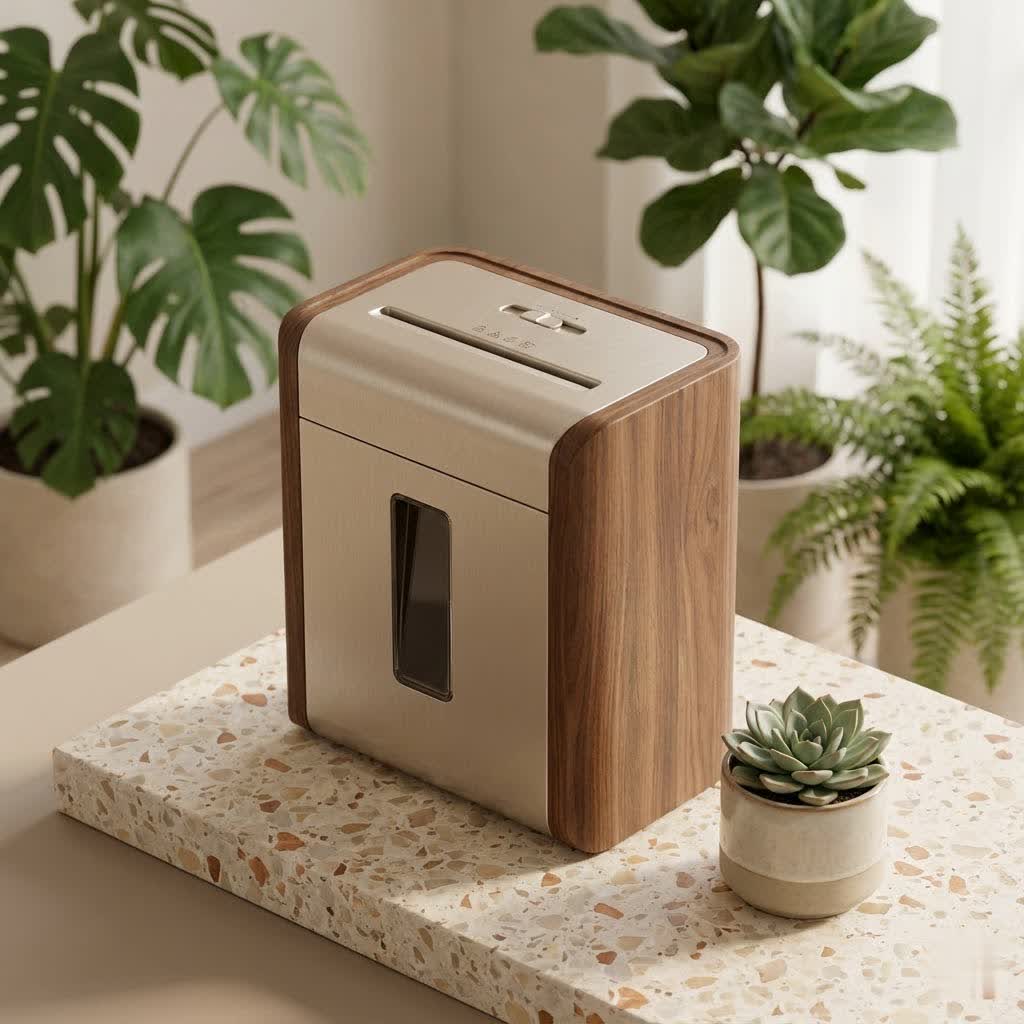
This isn’t about tossing junk mail; it’s about systematically destroying documents that could compromise your clients, employees, or trade secrets. From small businesses to large enterprises, understanding the nuances of these powerful machines is crucial. Let’s dive deep into selecting the right professional paper shredder for your specific needs, how to keep it running flawlessly, and what to do when challenges arise.
Why a Professional Paper Shredder is Non-Negotiable
Why should you invest in a professional paper shredder when cheaper, smaller options are available? The answer lies in security, efficiency, and durability. Unlike basic home shredders, professional models are built to handle significant volumes of paper continuously, offer superior data destruction, and are designed to withstand the rigors of daily office or industrial use. They are engineered to meet stringent security standards, ensuring that once information is shredded, it stays destroyed. This commitment to data protection is vital for compliance with privacy regulations like GDPR, HIPAA, and FACTA, which mandate secure disposal of personal and confidential information.
Understanding Paper Shredder Security Levels: The DIN Standard
When we talk about the security of a professional paper shredder, we’re primarily referring to the size of the shredded particles. This is governed by an international standard called DIN 66399, which categorizes shredders into various “P-levels.” These P-levels help you choose a machine that provides the appropriate level of data destruction for your specific documents.
Decoding the P-Levels (P-1 to P-7)
|
Our Picks for the Best Paper Shredder in 2026
As an Amazon Associate I earn from qualifying purchases.
|
||
| Num | Product | Action |
|---|---|---|
| 1 | Amazon Basics 200-Sheet Auto Feed Cross Cut Paper Shredder with Pullout Basket, Black |

|
| 2 | Suntiko Small Paper Shredder for Home, 6 Sheet Strip Cut Paper Shredder Without Basket,Portable Shredder Extendable Arm Design with Overheat Protection for Home Office |
|
| 3 | Amazon Basics 8-Sheet Cross Cut Paper Shredder and Credit Card Shredder - Black |
|
| 4 | Fellowes 14C10 14-Sheet Cross-Cut Home Office Paper Shredder |
|
| 5 | Amazon Basics Cross Cut Paper and Credit Card Shredder for Security - 8-Sheet, Heavy Duty, White |
|
| 6 | Woolsche 12-Sheet Cross Cut Paper Shredder with Large 5.55-Gallon Basket - P-4 Security, 3-Mode Shred for Cards/CDs/Staples/Clips - Jam Proof System for Office (ETL Certified) |
|
| 7 | Amazon Basics 8-Sheet Strip Cut Paper, CD, and Credit Card Shredder with Auto-Off Compact, Portable Design, No Basket, Extendable Arm, Black |
|
| 8 | Amazon Basics Paper Shredder for Home and Office, 8-Sheet Strip Cut, CD/ Credit Card Shredder, 3.4 Gallon Wastebasket , Black |
|
| 9 | Amazon Basics 6 Sheet Cross Cut Paper and Credit Card Home Office Shredder with 3.8 Gallon Bin, Black |
|
| 10 | Amazon Basics Cross Cut Paper and Credit Card Shredder, 12 Sheet (New Model), Black |
|
The DIN 66399 standard outlines seven security levels, from P-1 (least secure) to P-7 (most secure). The higher the P-level, the smaller the particles and the harder it is to reconstruct the original document.
| DIN Security Level | Cut Type | Particle Area (max) | Example Use Case |
|---|---|---|---|
| P-1 | Strip-cut | 2000 mm² | General internal documents, junk mail, non-sensitive |
| P-2 | Strip-cut | 800 mm² | Internal documents, slightly more sensitive |
| P-3 | Cross-cut | 320 mm² | Confidential documents, invoices, account statements |
| P-4 | Cross-cut | 160 mm² | Highly confidential documents, financial records, HIPAA |
| P-5 | Micro-cut | 30 mm² | Secret documents, personnel files, sensitive legal |
| P-6 | Super Micro-cut | 10 mm² | Top-secret documents, government classified |
| P-7 | Super Micro-cut | 5 mm² | Highest security, military-grade classified |
“For most businesses handling confidential client or employee data, a professional paper shredder with a P-4 security level is a robust starting point,” advises Mr. Alex Tran, a leading expert in secure document management. “However, if you’re dealing with extremely sensitive information, P-5 or even P-6 offers unmatched peace of mind.”
Types of Professional Paper Shredders: Finding Your Perfect Match
Choosing the right cut type for your professional paper shredder is fundamental. Each type offers a different balance between speed, capacity, and security.
Strip-Cut Shredders: Speed Over Security
Strip-cut shredders are the most basic type, slicing paper into long, narrow strips. They are often the fastest and can handle a higher sheet capacity per pass compared to other types.
- Pros: High throughput, less frequent oiling required, generally more affordable.
- Cons: Lowest security level (P-1, P-2), as strips can potentially be reassembled. Not suitable for confidential documents.
- Best for: Non-sensitive internal documents, general office waste, or situations where speed is prioritized over maximum security.
Cross-Cut Shredders: The Versatile Workhorse
Cross-cut shredders represent a significant upgrade in security. They cut paper both lengthwise and crosswise, creating small, confetti-like pieces. This dual-action cutting makes reconstruction far more difficult.
- Pros: Good balance of speed and security (P-3, P-4), suitable for most confidential documents, widely available.
- Cons: Lower sheet capacity than strip-cut, requires more frequent oiling due to complex cutting mechanism.
- Best for: Most businesses and offices needing to shred confidential documents like invoices, financial statements, and employee records.
Micro-Cut Shredders: Ultimate Data Protection
Micro-cut shredders are the gold standard for data protection. They produce tiny, dust-like particles that are virtually impossible to reassemble, offering the highest security levels.
- Pros: Maximum security (P-5, P-6, P-7), compact shreds mean less frequent bin emptying.
- Cons: Typically higher cost, slower shredding speed, and lower sheet capacity per pass due to the intricate cutting process, requires consistent oiling.
- Best for: Government agencies, legal firms, medical facilities, and any organization handling top-secret, highly sensitive, or legally protected information (e.g., GDPR-mandated data).
Key Features to Look for in a Professional Paper Shredder
Beyond the cut type and security level, a professional paper shredder comes with a range of features designed to enhance efficiency, safety, and longevity.
Sheet Capacity & Waste Bin Volume
Consider how many sheets of paper your team needs to shred at once. A higher sheet capacity (e.g., 20+ sheets per pass) means less time spent feeding paper. Equally important is the waste bin volume. A larger bin (measured in gallons or liters) reduces the frequency of emptying, which is a major time-saver for high-volume shredding environments. For a small office, a 10-gallon bin might suffice, while larger departments could need 20+ gallons.
Continuous Run Time (Duty Cycle)
This is a critical factor for any professional paper shredder. “Continuous run time” or “duty cycle” indicates how long the machine can operate non-stop before needing to cool down. Home shredders might only run for 5-10 minutes, but a professional model should offer a minimum of 30 minutes, with heavy-duty machines providing “continuous duty” (meaning they can run for hours without needing a break). If you’re shredding large batches, a long continuous run time is essential to prevent frustrating downtime due to overheating.
Advanced Features
- Anti-Jam Technology: Many professional shredders incorporate sensors to detect potential jams due to overfeeding or misaligned paper, automatically reversing the blades to clear the blockage. This feature significantly reduces frustration and wear on the motor.
- Auto-Oiling System: For high-security (cross-cut and micro-cut) shredders, regular oiling is paramount. An automatic oiler lubricates the cutting blades automatically, ensuring smooth operation and extending the machine’s lifespan.
- Safety Sensors: Features like safety interlocks and laser sensors prevent accidental operation or stop blades if hands get too close, crucial for busy office environments with multiple users.
- Quiet Operation: While all shredders make some noise, professional models often feature advanced engineering to minimize decibel levels, making them less disruptive in open-plan offices. Look for models rated at 60 decibels or lower.
- Casters: Wheels make it easy to move larger, heavier professional shredders between different workstations or storage areas.
Maximizing Lifespan: Essential Maintenance for Your Professional Shredder
Even the best professional paper shredder requires consistent care to perform optimally and last for years. Think of it like a car—regular maintenance prevents major breakdowns.
Regular Oiling: The Lubricant for Longevity
Oiling is perhaps the most critical maintenance step, especially for cross-cut and micro-cut shredders. It reduces friction on the cutting blades, prevents paper dust buildup, and keeps the motor running smoothly.
- Why it’s important: Without lubrication, blades can dull quickly, leading to jams, straining the motor, and eventually causing premature wear.
- How often: A good rule of thumb is to oil your shredder every time you empty the waste bin, or after every 30 minutes of continuous use for heavy-duty models. For lighter use, weekly or bi-weekly might suffice.
- How to do it:
- Take a piece of A4 paper.
- Apply a zig-zag pattern of manufacturer-approved shredder oil across the entire sheet. Never use WD-40 or other non-specialized lubricants!
- Feed the oiled paper through the shredder.
- Run a few plain sheets through afterward to help distribute the oil and clean off excess.
- For shredders with automatic oilers, ensure the oil reservoir is always full.
Avoiding Overfeeding & Managing Capacity
One of the most common causes of shredder issues is simply overloading it.
- Respect Sheet Capacity: Always adhere to the manufacturer’s recommended sheet capacity per pass. Forcing more paper through than the machine can handle is a recipe for paper jams and motor strain.
- Remove Foreign Objects: Before shredding, always remove staples and paper clips, unless your specific professional paper shredder explicitly states it can handle them. These small metal objects can nick or dull the blades over time.
- Consider Material Types: While many professional shredders can handle credit cards and CDs, always check your manual. Never attempt to shred items like cloth, plastic bags, or sticky labels that can gum up the mechanism.
Cooling Down Your Machine
Shredders generate heat during operation. Even professional models with long duty cycles need occasional breaks.
- Understand Duty Cycles: Pay attention to your shredder’s continuous run time. If it automatically shuts off, it’s likely overheating. Allow it to cool down for the recommended period (often 20-30 minutes) before resuming.
- Batch Shredding: For very large shredding tasks, break them into manageable batches, allowing the machine to rest between sessions. This prevents unnecessary strain on the motor and prolongs its life.
Keeping it Clean: Blades and Bin
Regular cleaning prevents performance issues and maintains hygiene.
- Empty the Bin Regularly: Don’t wait for the “bin full” indicator to light up. An overflowing bin can cause backlogs and put extra strain on the motor.
- Clean the Blades: Over time, paper dust can accumulate on the blades and sensors. Unplug the shredder, then use compressed air or a soft brush to gently clear debris from the cutting mechanism and sensor areas. Always unplug the machine before attempting any internal cleaning.
Troubleshooting Common Professional Paper Shredder Problems
Even with the best maintenance, a professional paper shredder can sometimes encounter issues. Knowing how to quickly diagnose and resolve these common problems can save you time and costly repairs.
The Dreaded Paper Jam
- Causes: Overfeeding, misaligned paper, foreign objects (staples, paper clips), or dull blades.
- Immediate Fixes:
- Stop: Do not force more paper.
- Reverse: Press the reverse button to try and clear the jam. Often, this is enough to back out the paper.
- Unplug: If reverse doesn’t work, unplug the shredder.
- Clear Manually: Carefully remove visible jammed paper using tweezers or pliers. Never use your fingers near the blades.
- Oil: If jams are frequent, oiling the blades might resolve the issue.
- Prevention: Adhere to sheet capacity, remove all staples/clips, and ensure paper is fed straight.
Overheating & Unexpected Shutdowns
- Causes: Prolonged continuous use exceeding the duty cycle.
- Solutions:
- Allow to Cool: If the shredder stops mid-use, it has likely overheated. Turn it off and let it cool down for 20-30 minutes. Most professional shredders have an auto-shutoff feature to prevent damage.
- Prevention: Respect the machine’s duty cycle. If you have a lot to shred, do it in batches with cooling breaks. Consider a “continuous duty” model for extremely high-volume needs.
Dull Blades and Reduced Performance
- Causes: Lack of regular oiling, shredding non-paper items, or simply extensive use over time.
- Solutions:
- Oil Regularly: Consistent oiling is the best defense.
- Professional Service: If regular oiling doesn’t improve performance, or if the shredder consistently struggles with its rated capacity, the blades may need sharpening or replacement by a professional technician.
Shredder Not Starting or Bin Full Light Issue
- Causes: Power issues, improperly seated waste bin, or dirty safety sensors.
- Solutions:
- Check Power: Ensure the shredder is securely plugged into a working outlet.
- Empty & Reseat Bin: Fully empty the waste bin and ensure it’s correctly seated and aligned. Many shredders won’t operate if the bin isn’t properly engaged.
- Clean Sensors: Unplug the machine and use compressed air or a soft cloth to clean any dust or debris from the safety sensors, which are often located near the bin or feed throat.
Conclusion
Choosing and maintaining a professional paper shredder is a vital part of effective information security. By understanding the different types, security levels, and essential features, you can confidently select a machine that perfectly matches your organization’s needs. Furthermore, consistent maintenance—from regular oiling to avoiding overfeeding—will ensure your investment delivers reliable, long-lasting performance.
At Mrouk.com, we believe that robust document destruction is the cornerstone of data protection. Empower yourself with the knowledge to make informed decisions and keep your sensitive information safe and secure. Embrace the power of a well-chosen and well-maintained professional paper shredder, and you’ll not only protect your data but also uphold the trust placed in your brand.
