Let’s be honest, in today’s digital world, it’s easy to forget about the stacks of physical documents piling up. But those old utility bills, bank statements, and even junk mail can hold a treasure trove of personal information, making you vulnerable to identity theft. That’s where a reliable paper shredder comes in, and when it comes to finding the best, many savvy consumers turn to Wirecutter, The New York Times’ product recommendation service, for their meticulously researched advice.
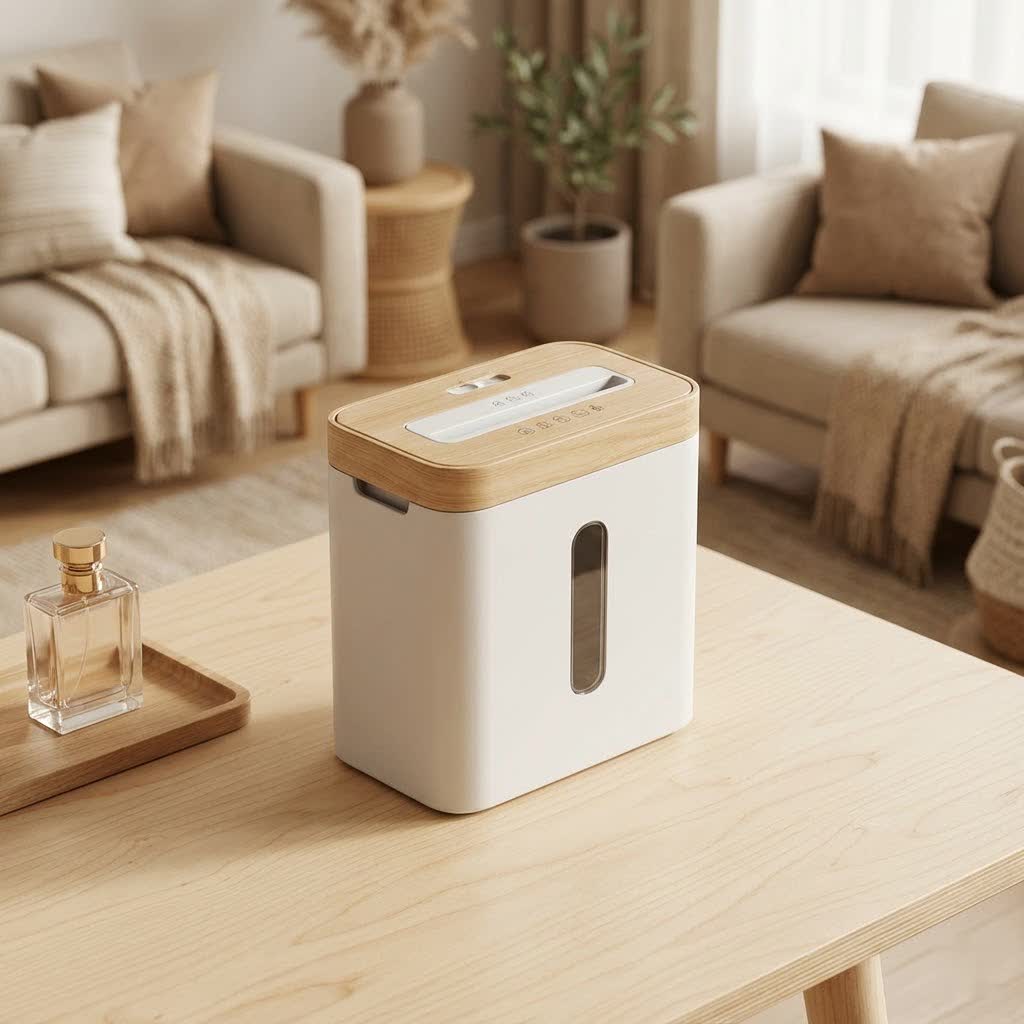
Wirecutter has built its reputation on rigorous testing and practical, user-focused reviews. When they recommend a paper shredder, you can bet it’s been put through its paces, ensuring it meets real-world needs for security, efficiency, and durability. But understanding their recommendations and translating them into the perfect choice for your home or office can still feel a bit daunting. Don’t worry, as your seasoned paper shredder expert, I’m here to guide you through everything you need to know about selecting, using, and maintaining a Wirecutter-approved shredder.
Why Wirecutter’s Paper Shredder Reviews Matter
Wirecutter stands out because they don’t just list features; they delve deep into performance, security, noise levels, and long-term reliability. They understand that a paper shredder isn’t a “set it and forget it” purchase, but a crucial tool for data security that needs to perform consistently. Their recommendations are often based on extensive hands-on testing, comparing numerous models across various categories. This dedication means that a “Wirecutter Paper Shredder” isn’t just a product, it’s a seal of approval for quality and practicality.
Demystifying Paper Shredder Types: What Wirecutter Considers
When Wirecutter evaluates shredders, they pay close attention to the type of cut, as this directly impacts the security level of your shredded documents. Understanding these types is the first step to choosing the right machine for your needs.
Strip-Cut Shredders
These are the most basic type, cutting paper into long, narrow strips. Think of it like slicing a cucumber – the pieces are still quite long.
- Pros: Generally the most affordable, fastest, and can handle more sheets at once.
- Cons: Offers the lowest level of security (DIN P-1 to P-2). While better than throwing whole documents away, dedicated individuals might be able to reassemble them. Wirecutter typically doesn’t recommend these for sensitive documents.
|
Our Picks for the Best Paper Shredder in 2026
As an Amazon Associate I earn from qualifying purchases.
|
||
| Num | Product | Action |
|---|---|---|
| 1 | Amazon Basics 8-Sheet Cross Cut Paper Shredder and Credit Card Shredder - Black |

|
| 2 | Amazon Basics Paper Shredder for Home and Office, 8-Sheet Strip Cut, CD/ Credit Card Shredder, 3.4 Gallon Wastebasket , Black |
|
| 3 | Woolsche 12-Sheet Cross Cut Paper Shredder with Large 5.55-Gallon Basket - P-4 Security, 3-Mode Shred for Cards/CDs/Staples/Clips - Jam Proof System for Office (ETL Certified) |
|
| 4 | Amazon Basics Cross Cut Paper and Credit Card Shredder for Security - 8-Sheet, Heavy Duty, White |
|
| 5 | Suntiko Small Paper Shredder for Home, 6 Sheet Strip Cut Paper Shredder Without Basket,Portable Shredder Extendable Arm Design with Overheat Protection for Home Office |
|
| 6 | Amazon Basics 6 Sheet Cross Cut Paper and Credit Card Home Office Shredder with 3.8 Gallon Bin, Black |
|
| 7 | Amazon Basics 8-Sheet Strip Cut Paper, CD, and Credit Card Shredder with Auto-Off Compact, Portable Design, No Basket, Extendable Arm, Black |
|
| 8 | Amazon Basics Cross Cut Paper and Credit Card Shredder, 12 Sheet (New Model), Black |
|
| 9 | Amazon Basics 200-Sheet Auto Feed Cross Cut Paper Shredder with Pullout Basket, Black |
|
| 10 | Fellowes 14C10 14-Sheet Cross-Cut Home Office Paper Shredder |
|
Cross-Cut Shredders
A significant step up in security, cross-cut shredders cut paper both horizontally and vertically, creating smaller, confetti-like pieces.
- Pros: Provides a good balance of speed and security (DIN P-3 to P-4). These are suitable for most household and small office documents, such as old bills, receipts, and personal correspondence. Many Wirecutter recommendations for general use fall into this category.
- Cons: Can be a bit slower and noisier than strip-cut models, and their bins fill up faster due to the increased volume of shredded material.
Micro-Cut Shredders
For those needing the highest level of security, micro-cut shredders take cross-cutting to the extreme, turning documents into tiny, almost dust-like particles.
- Pros: Offers superior security (DIN P-5 to P-7), making reassembly virtually impossible. This is essential for highly confidential documents like medical records, tax documents, or proprietary business information. Wirecutter often highlights micro-cut options for maximum identity protection.
- Cons: These machines are typically slower, have lower sheet capacities per pass, are generally more expensive, and their bins can still fill up quickly, albeit with smaller, denser particles.
Key Features Wirecutter Prioritizes in Paper Shredders
When Wirecutter provides recommendations, they’re looking at a holistic set of features that contribute to a superior user experience and effective document destruction.
Security Level (DIN P-Rating)
This is paramount. Wirecutter emphasizes that the higher the P-rating (P-1 being the lowest, P-7 the highest), the smaller the shredded particles and thus the greater the security. For most home users, a P-3 or P-4 cross-cut shredder offers sufficient protection, while P-5 micro-cut is often recommended for highly sensitive data.
Sheet Capacity
How many sheets can the shredder handle in one go? This impacts efficiency. Wirecutter reviews often compare how actual performance measures up against advertised capacity. For home use, 5-13 sheets is typical, while office models can handle much more.
Run Time and Cool-Down Period
Shredders aren’t designed to run continuously forever. They have a “duty cycle” or “run time” (how long they can shred) and a “cool-down period” (how long they need to rest to prevent overheating). Wirecutter understands that a good run time is crucial for tackling larger shredding jobs without constant interruptions. For personal shredders, a 10-minute run time is often seen as adequate for light/medium usage.
Bin Size
A larger waste bin means less frequent emptying, which is a major convenience. Wirecutter often notes whether a shredder has a pull-out bin (easier to empty) versus a lift-off head (can be heavy and awkward). A 5.3-gallon bin, for example, can hold around 420 shredded sheets.
Noise Level
Nobody wants a shredder that sounds like a jet engine. Wirecutter frequently comments on the noise level, especially for shredders intended for home offices or shared spaces.
Additional Features
- Jam Resistance/Prevention: Features like auto-reverse or overload indicators are highly valued to prevent frustrating paper jams.
- Ability to Shred Other Materials: Can it handle staples, paper clips, credit cards, or CDs/DVDs? Many modern shredders include dedicated slots for these items.
- Safety Features: Especially important for homes with children or pets, features like safety locks or automatic shut-off when hands are too close to the opening are a big plus.
Choosing the Right Wirecutter Paper Shredder for Your Needs
Wirecutter’s extensive testing helps categorize shredders by different user needs. Let’s break down how to apply their logic to your situation.
For the Home Office Warrior
If you’re shredding a few documents weekly – old bills, junk mail, occasional sensitive papers – a compact, quiet cross-cut or micro-cut shredder with a decent run time (5-10 minutes) and sheet capacity (around 8-12 sheets) is likely ideal. Wirecutter often highlights models like the Amazon Basics 8-Sheet Micro-Cut for its high security at an affordable price.
For the Small Business or Heavy Home User
If you have larger shredding projects, perhaps once a month, or if multiple people use the shredder, you’ll want something more robust. Look for a shredder with a longer continuous run time (15-30 minutes or more), higher sheet capacity (12-20 sheets), and a larger bin. An auto-feed mechanism, which allows you to load a stack of papers and walk away, is a game-changer for these users. The Aurora AU120MA 120-Sheet, for instance, is praised for its auto-feed and micro-cut security.
For Maximum Security Aficionados
If you regularly handle highly sensitive documents (legal, medical, financial records), Wirecutter will steer you towards P-5 or higher micro-cut shredders. While these might be slower, the peace of mind they offer is invaluable.
Beyond the Purchase: Using and Maintaining Your Shredder
Even the best Wirecutter paper shredder needs proper care to ensure its longevity and performance. As someone who’s seen it all in the world of shredding, I can tell you that a little maintenance goes a long way.
Proper Feeding Techniques
Always adhere to the shredder’s sheet capacity. Overfeeding is the quickest way to cause a jam and stress the motor. Feed paper straight, avoiding folds or crumpled sheets, especially with multi-page documents. If your shredder has separate slots for credit cards or CDs, use them!
Oiling Your Shredder Blades
This is perhaps the most critical maintenance step. Oiling reduces friction, prevents wear, and keeps the blades cutting cleanly, preventing jams and overheating.
- How to Oil: Apply shredder oil in a zigzag pattern across a piece of paper and run it through the shredder. Follow up by running the shredder in reverse for a few seconds to distribute the oil evenly.
- Frequency: For moderate use, oil weekly. For heavy daily use, every 2-3 days. For light use, every two weeks is usually sufficient. Always use manufacturer-approved shredder oil.
Clearing Jams
Paper jams are inevitable, but easily fixable.
- Reverse Function: Most jams can be cleared by simply using the reverse function to back out the paper.
- Unplug and Inspect: If reverse doesn’t work, turn off and unplug the shredder. Carefully remove visible paper with tweezers.
- Oil It Up: For stubborn jams, apply shredder oil to the jammed area and let it soak for an hour before trying reverse again.
- Avoid Overloading: The best way to prevent jams is to not overfeed your shredder.
Preventing Overheating
Shredders have a built-in thermal cutoff to prevent motor damage. If your shredder suddenly stops mid-job, it’s likely overheated.
- Cool Down: Allow it to cool down completely (usually 20-45 minutes) before resuming.
- Ventilation: Place your shredder in a well-ventilated area, ensuring its vents aren’t blocked.
- Respect Run Time: Pay attention to the manufacturer’s recommended run time.
Emptying the Bin
Empty the waste bin regularly, even if it’s not completely full, to prevent paper shreds from backing up into the cutting mechanism. Many shredders have sensors that will stop operation if the bin is full.
“Maintaining your paper shredder is like tuning up a car – neglect it, and you’ll face breakdowns and costly repairs,” advises Clara Jensen, a leading expert in secure document disposal. “Regular oiling and respecting its capacity are the simplest yet most effective ways to ensure your shredder serves you faithfully for years.”
Common Paper Shredder Issues & Troubleshooting
Sometimes, even with the best care, your shredder might act up. Here are some common issues and how to tackle them:
Why won’t my shredder turn on?
- Check Power: Ensure it’s securely plugged into a working outlet.
- Bin Alignment: Many shredders have a safety feature that prevents operation if the waste bin or cutting head isn’t properly seated.
- Overheat: If it was recently used heavily, it might be in a cool-down cycle.
- Sensors: Clean any dust or debris from the sensors, usually located near the paper entry.
Why is my shredder making strange noises?
- Lack of Lubrication: Often, increased noise indicates the blades need oiling.
- Jam: A grinding or squealing noise can also signal a paper jam that’s straining the motor.
- Damaged Blades/Gears: If oiling doesn’t help and there’s no jam, there might be internal damage, requiring professional service or replacement.
Why is my shredder not taking paper?
- Full Bin: The waste bin might be full, triggering a sensor.
- Jam: There could be a subtle jam preventing new paper from entering. Try the reverse function.
- Misaligned Head/Bin: Re-seat the cutting head and waste bin.
- Stripped Gears: In rare cases, if the cutting mechanism isn’t moving at all, internal gears might be stripped. This often requires replacement.
Frequently Asked Questions
What is the best type of paper shredder for home use?
For most home users, a cross-cut shredder (P-3 or P-4 security) offers a good balance of security and affordability for everyday documents. If you have highly sensitive personal information, a micro-cut (P-5) shredder is a safer bet. Wirecutter often recommends models that combine P-4 or P-5 security with a reasonable run time and capacity for typical home use.
How often should I oil my paper shredder?
It depends on usage. For moderate home use, oiling weekly or every two weeks is recommended. If you shred heavily every day, oil every 2-3 days. Always use dedicated shredder oil, as alternatives can damage the machine.
Can I shred credit cards and CDs in a Wirecutter paper shredder?
Many Wirecutter-recommended shredders are capable of handling credit cards and some even CDs, often with dedicated slots for these materials. Always check the product specifications for your specific model to ensure it can safely shred these items.
What does “continuous run time” mean for a paper shredder?
Continuous run time refers to how long a shredder can operate without needing to cool down. For example, a “10-minute run time” means it can shred for 10 minutes before needing a break (e.g., 30-40 minutes) to prevent overheating. This is a key factor if you have large batches of documents to shred.
How can I prevent paper jams in my shredder?
To prevent jams, always stay within the recommended sheet capacity, feed paper straight, and avoid overloading the machine. Regularly oiling the blades and emptying the waste bin are also crucial preventative measures. If your shredder has an anti-jam feature, it can often detect and reverse minor overloads automatically.
Conclusion
Choosing the right paper shredder, especially with a “Wirecutter paper shredder” in mind, is an investment in your personal and financial security. By understanding the different types of cuts, prioritizing key features like security level, run time, and capacity, and committing to simple maintenance, you can ensure your shredder remains a reliable guardian of your sensitive information. Don’t let those piles of paper become a liability; shred with confidence and keep your data safe.
