In today’s digital world, it’s easy to overlook the physical documents cluttering our homes. Yet, these seemingly innocuous papers – from bank statements and utility bills to medical records and tax forms – are treasure troves for identity thieves. Investing in the Best Paper Shredder For Home Use isn’t just about decluttering; it’s a crucial step in safeguarding your personal information and ensuring peace of mind. As someone who has spent over 15 years navigating the intricacies of document destruction, I can tell you that a reliable home shredder is an indispensable tool in your personal security arsenal.
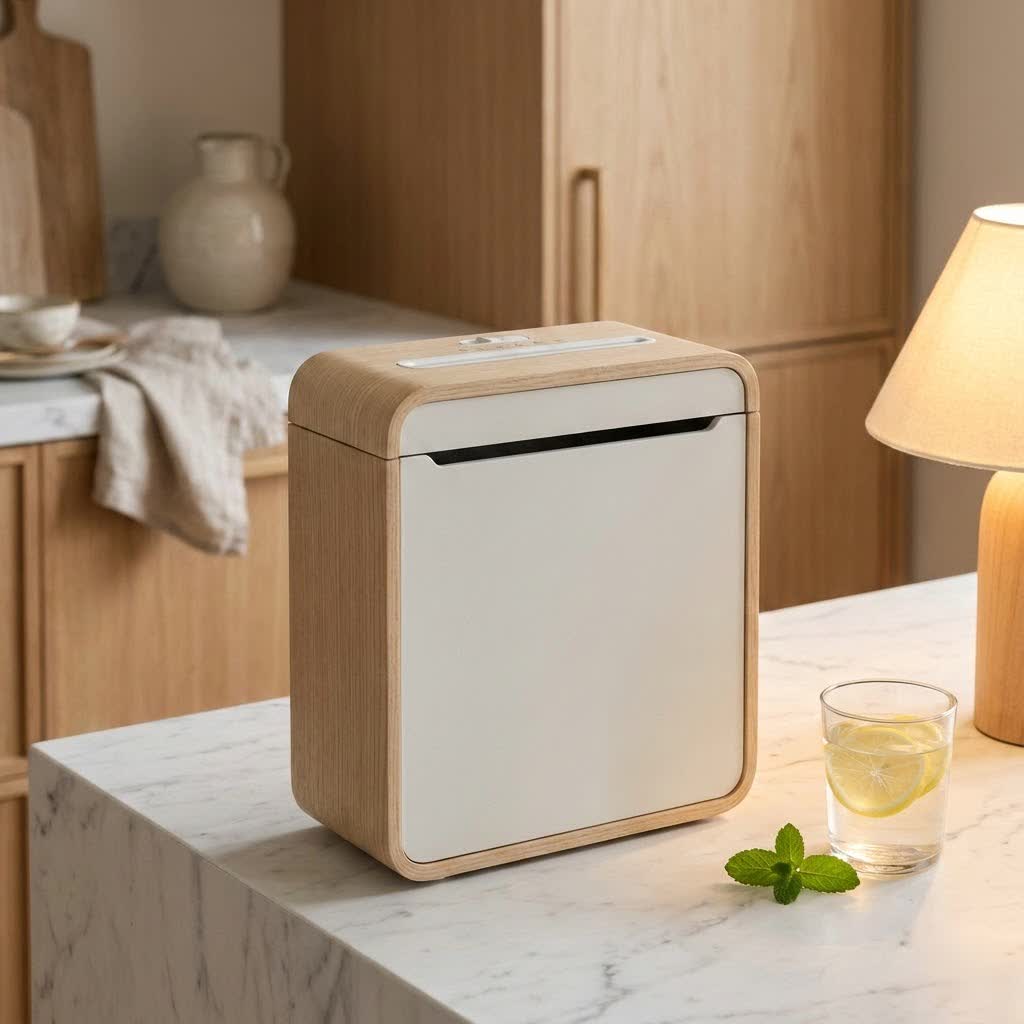
Why a Paper Shredder is Essential for Your Home
Let’s face it, we all accumulate paper. While many transactions are digital, sensitive physical documents still arrive in our mailboxes or get printed at home. Simply tossing these into the recycling bin is like leaving your front door unlocked.
Identity Theft Protection
|
Our Picks for the Best Paper Shredder in 2026
As an Amazon Associate I earn from qualifying purchases.
|
||
| Num | Product | Action |
|---|---|---|
| 1 | Amazon Basics Cross Cut Paper and Credit Card Shredder for Security - 8-Sheet, Heavy Duty, White |

|
| 2 | Fellowes 14C10 14-Sheet Cross-Cut Home Office Paper Shredder |
|
| 3 | Amazon Basics 8-Sheet Strip Cut Paper, CD, and Credit Card Shredder with Auto-Off Compact, Portable Design, No Basket, Extendable Arm, Black |
|
| 4 | Woolsche 12-Sheet Cross Cut Paper Shredder with Large 5.55-Gallon Basket - P-4 Security, 3-Mode Shred for Cards/CDs/Staples/Clips - Jam Proof System for Office (ETL Certified) |
|
| 5 | Amazon Basics 6 Sheet Cross Cut Paper and Credit Card Home Office Shredder with 3.8 Gallon Bin, Black |
|
| 6 | Amazon Basics 8-Sheet Cross Cut Paper Shredder and Credit Card Shredder - Black |
|
| 7 | Suntiko Small Paper Shredder for Home, 6 Sheet Strip Cut Paper Shredder Without Basket,Portable Shredder Extendable Arm Design with Overheat Protection for Home Office |
|
| 8 | Amazon Basics Paper Shredder for Home and Office, 8-Sheet Strip Cut, CD/ Credit Card Shredder, 3.4 Gallon Wastebasket , Black |
|
| 9 | Amazon Basics Cross Cut Paper and Credit Card Shredder, 12 Sheet (New Model), Black |
|
| 10 | Amazon Basics 200-Sheet Auto Feed Cross Cut Paper Shredder with Pullout Basket, Black |
|
The primary reason to own a paper shredder is to protect yourself from identity theft. Each year, millions of people fall victim to this crime, often stemming from discarded documents. Shredding makes it virtually impossible for criminals to piece together your personal details, from account numbers to signatures. It’s a proactive measure that creates a strong barrier against potential fraud.
Decluttering and Organization
Beyond security, a paper shredder helps you maintain an organized living space. Those stacks of old bills, expired credit cards, and outdated solicitations can quickly overwhelm your home office. Regular shredding not only disposes of sensitive information but also frees up valuable space, making your home feel lighter and more efficient.
Peace of Mind
Knowing that your personal data is securely destroyed brings a unique sense of calm. You won’t have to worry about what might happen if your garbage falls into the wrong hands. It’s a simple act that empowers you to take control of your data privacy.
Understanding Paper Shredder Types and Security Levels
Choosing a paper shredder means understanding how it cuts paper and how secure those cuts are. Shredders are categorized by their “cut type,” which directly correlates with security levels, often defined by DIN P-standards.
Strip-Cut Shredders (DIN P-1 / P-2)
- What they are: These shredders cut paper into long, narrow strips, resembling spaghetti. They are generally the most affordable and fastest.
- Pros: Quick shredding, budget-friendly.
- Cons: Low security. The long strips can be easily reassembled, especially with modern technology. Not recommended for confidential documents.
Cross-Cut Shredders (DIN P-3 / P-4)
- What they are: A significant upgrade from strip-cut, cross-cut shredders cut paper both vertically and horizontally, creating smaller, confetti-like pieces.
- Pros: Good balance of security and speed for typical home use. Much harder to reassemble than strip-cut. Most home shredders fall into this category, offering P-3 or P-4 security.
- Cons: While secure for most household documents, the particles are still larger than micro-cut.
Micro-Cut Shredders (DIN P-5 to P-7)
- What they are: These are the champions of security, producing incredibly tiny, confetti-like particles, sometimes as small as dust. Micro-cut shredders offer the highest level of data protection.
- Pros: Maximum security, virtually impossible to reassemble. Ideal for highly sensitive documents like financial records, legal papers, and medical information.
- Cons: Generally slower and more expensive than cross-cut models. Their tiny shreds can also fill the waste bin more quickly, requiring more frequent emptying.
Expert Insight: Dr. Evelyn Reed, a leading cybersecurity consultant, advises, “For typical home use, a P-4 cross-cut shredder provides excellent protection against casual identity theft. However, if you regularly handle extremely sensitive documents, a P-5 micro-cut model offers an unparalleled level of data destruction.”
Key Features to Look for in a Home Paper Shredder
When selecting the best paper shredder for home use, it’s not just about the cut type. Several other features contribute to a shredder’s efficiency, convenience, and safety.
Sheet Capacity
How many sheets can your shredder handle in a single pass? For light home use (a few bills a week), an 8-10 sheet capacity might suffice. For moderate use (regular home office work), consider 12-16 sheets to save time and effort. Higher capacity means less waiting around.
Run Time and Cool-down Period
Home shredders are designed for intermittent use. They have a “run time” (how long they can shred continuously) and a “cool-down period” (how long they need to rest to prevent overheating). A typical home shredder might run for 3-10 minutes and then require a 20-40 minute cool-down. If you anticipate shredding large batches, look for models with longer run times (e.g., 20-30 minutes) or “continuous duty” motors, though these are less common and more expensive for purely home use.
Bin Size
The waste bin capacity determines how often you’ll need to empty it. For home use, bins typically range from 3 to 7 gallons. A larger bin is more convenient, especially for micro-cut shredders which produce more volume from the same amount of paper. Look for pull-out bins for easier disposal, as opposed to lift-off heads.
Shredding Non-Paper Items
Many modern home shredders can handle more than just paper. Do you need to destroy old credit cards, CDs/DVDs, or documents with staples and paper clips? Ensure the model you choose specifies these capabilities if they are important to you. Shredding these items with a non-compatible machine can cause severe damage.
Safety Features
Safety is paramount, especially in homes with children or pets. Look for:
- Jam Protection: Anti-jam technology, auto-reverse functions, or indicator lights to prevent frustrating paper jams.
- Auto-Off/Sleep Mode: Saves energy and prevents overheating.
- Safety Sensors (SafeSense Technology): Automatically stops the shredder when hands are too close to the feed opening.
- Safety Locks: Disables the shredder for added child and pet safety.
Noise Level
Nobody wants a shredder that sounds like a jet engine. Quieter models (often marketed with dB ratings) are a blessing in a home environment, allowing you to shred without disturbing others or interrupting conversations.
Ease of Use
Consider features that make operation smooth:
- Simple Controls: Clear power, forward, and reverse buttons.
- Indicator Lights: Warnings for “bin full,” “overload,” or “overheat.”
- Transparent Window: Allows you to see the shred level in the bin.
Auto-Feed Function
For those with larger volumes of paper, an auto-feed shredder can be a game-changer. You simply load a stack of paper into a tray, and the machine feeds it automatically, freeing you up to do other tasks. This feature significantly boosts efficiency for bulk shredding jobs.
Choosing the Right Shredder for Your Needs
Deciding on the best paper shredder for home use boils down to your specific requirements.
| Consideration | Light Use (A few sheets/week) | Moderate Use (Weekly batches) | Heavy Use (Regular large batches) |
|---|---|---|---|
| Shredder Type | Cross-cut (P-3) | Cross-cut (P-4) or Micro-cut (P-5) | Micro-cut (P-5+) |
| Sheet Capacity | 6-8 sheets | 10-14 sheets | 15+ sheets (consider auto-feed) |
| Run Time | 3-5 minutes | 5-10 minutes | 15-30+ minutes or continuous duty |
| Bin Size | 3-4 gallons | 4-6 gallons | 6+ gallons |
| Extra Features | Basic jam protection, credit card slot | Jam protection, safety sensors, credit card/CD slot | Advanced jam tech, auto-feed, quiet operation, robust media shredding |
| Budget | Entry-level | Mid-range | Higher-end |
Maintaining Your Home Paper Shredder
Just like any appliance, your paper shredder needs a little love to perform its best and last longer.
- Regular Oiling: Shredder oil (or compatible vegetable oil) keeps the cutting blades sharp and prevents friction. Oil your shredder after every 30 minutes of accumulated shredding or when you empty the bin a few times.
- Don’t Overload: Stick to the specified sheet capacity. Forcing too much paper through at once is a surefire way to cause a jam and strain the motor.
- Empty the Bin Promptly: A full bin can back up paper into the cutting mechanism, causing jams or even motor failure.
- Clean the Sensors: If your shredder has “bin full” or safety sensors, occasionally wipe them clean with a soft cloth to ensure they function correctly.
Common Paper Shredder Problems and Quick Fixes
Even the best paper shredder for home use can encounter hiccups. Here are some common issues and how to tackle them:
- Paper Jams:
- Symptom: The shredder stops, paper is stuck in the feed, or it makes grinding noises.
- Fix: Immediately switch to reverse. If that doesn’t clear it, turn the machine off, unplug it, and carefully try to remove the jammed paper manually using tweezers or pliers (never your fingers!).
- Overheating:
- Symptom: The shredder stops mid-shred and displays an “overheat” indicator.
- Fix: This is normal after extended use. Turn the shredder off and let it cool down for its specified cool-down period (usually 20-45 minutes). Avoid running it continuously beyond its rated run time.
- Not Turning On:
- Symptom: No power, no response.
- Fix: Check if it’s properly plugged in. Ensure the waste bin is correctly seated; many shredders have a safety interlock that prevents operation if the bin isn’t in place. Also, check for any tripped circuit breakers.
Frequently Asked Questions
What is the best security level for home use?
For most home users, a P-4 cross-cut shredder offers sufficient security for sensitive documents like bank statements and utility bills. If you handle extremely confidential information, a P-5 or higher micro-cut shredder is recommended.
How often should I oil my paper shredder?
It’s a good practice to oil your shredder after every 30 minutes of cumulative shredding, or every few times you empty the waste bin, to keep the blades sharp and running smoothly.
Can I shred credit cards and CDs in a home shredder?
Many home shredders are equipped to handle credit cards and even CDs/DVDs. Always check your shredder’s specifications and user manual to confirm compatibility before attempting to shred these materials.
What’s the main difference between cross-cut and micro-cut shredders?
The main difference lies in the size of the shredded particles and thus the security level. Cross-cut shredders produce small rectangular or diamond-shaped pieces (P-3/P-4), while micro-cut shredders create much tinier, confetti-like particles (P-5 to P-7), offering significantly higher security.
How can I prevent paper jams?
To prevent paper jams, avoid overloading the shredder beyond its sheet capacity, don’t feed wrinkled or folded paper, and make sure to oil the blades regularly. If your shredder has anti-jam technology, utilize it.
Conclusion
Choosing the best paper shredder for home use is a critical investment in your personal security and home organization. By understanding the different cut types, security levels, and essential features, you can confidently select a machine that meets your needs, whether you’re shredding a few bills or tackling a mountain of old documents. Remember, a well-chosen and properly maintained shredder is your steadfast ally against identity theft and a key tool in maintaining a clutter-free, secure home. Take control of your sensitive information today – your peace of mind is worth it.
