In our increasingly digital world, it might seem counterintuitive, but a physical paper shredder remains one of your most vital defenses against identity theft and information breaches. Simply tossing sensitive documents into the recycling bin is an open invitation for fraudsters. A truly Good Paper Shredder isn’t just a machine; it’s a peace-of-mind provider, transforming your confidential papers into unreadable confetti. But with so many options out there, how do you find the right one? Let’s cut through the noise and discover what makes a paper shredder truly good for you.
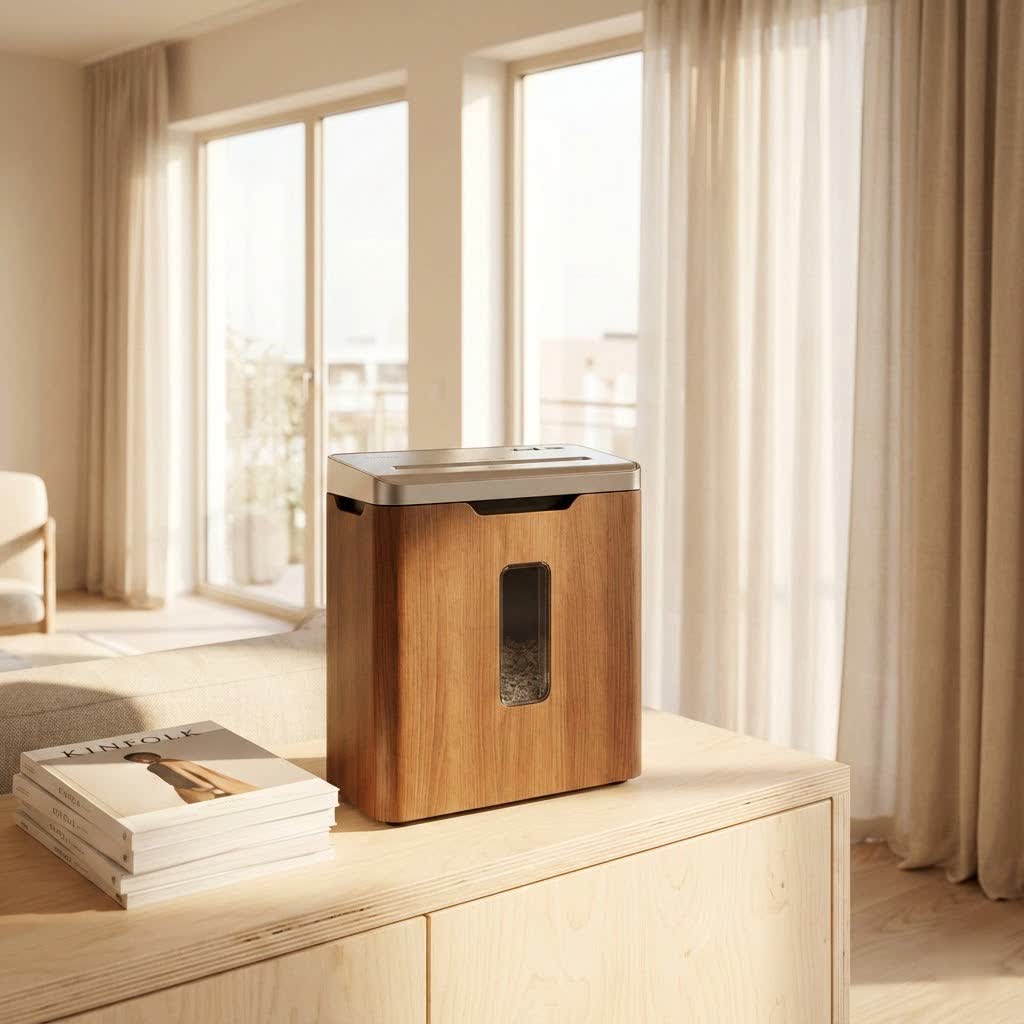
Protecting your personal and professional data isn’t merely about digital firewalls; it starts with the physical disposal of sensitive documents. From bank statements and utility bills to medical records and client information, any paper bearing your details can become a goldmine for criminals if not properly destroyed. Investing in a reliable paper shredder is a proactive step, ensuring that your data security extends beyond your computer screen. It’s an essential tool for maintaining privacy in homes and offices alike.
Understanding Paper Shredder Types: Which One is Right for You?
When we talk about a good paper shredder, the first thing to consider is how it cuts the paper. This isn’t just a cosmetic difference; it’s fundamental to the level of security it provides.
Strip-Cut Shredders: Basic Security, Fast Shredding
Strip-cut shredders are the most basic type, slicing documents into long, narrow strips. Think of them as the entry-level security option.
- Pros: Generally faster and less expensive than other types, capable of handling more sheets per pass. Lower maintenance requirements.
- Cons: Offers the lowest security (P-1 to P-2 DIN levels) as strips can potentially be reconstructed. Best suited for non-sensitive documents like junk mail.
|
Our Picks for the Best Paper Shredder in 2026
As an Amazon Associate I earn from qualifying purchases.
|
||
| Num | Product | Action |
|---|---|---|
| 1 | Amazon Basics 8-Sheet Cross Cut Paper Shredder and Credit Card Shredder - Black |

|
| 2 | Amazon Basics 200-Sheet Auto Feed Cross Cut Paper Shredder with Pullout Basket, Black |
|
| 3 | Amazon Basics Paper Shredder for Home and Office, 8-Sheet Strip Cut, CD/ Credit Card Shredder, 3.4 Gallon Wastebasket , Black |
|
| 4 | Amazon Basics Cross Cut Paper and Credit Card Shredder, 12 Sheet (New Model), Black |
|
| 5 | Suntiko Small Paper Shredder for Home, 6 Sheet Strip Cut Paper Shredder Without Basket,Portable Shredder Extendable Arm Design with Overheat Protection for Home Office |
|
| 6 | Amazon Basics 6 Sheet Cross Cut Paper and Credit Card Home Office Shredder with 3.8 Gallon Bin, Black |
|
| 7 | Amazon Basics 8-Sheet Strip Cut Paper, CD, and Credit Card Shredder with Auto-Off Compact, Portable Design, No Basket, Extendable Arm, Black |
|
| 8 | Amazon Basics Cross Cut Paper and Credit Card Shredder for Security - 8-Sheet, Heavy Duty, White |
|
| 9 | Woolsche 12-Sheet Cross Cut Paper Shredder with Large 5.55-Gallon Basket - P-4 Security, 3-Mode Shred for Cards/CDs/Staples/Clips - Jam Proof System for Office (ETL Certified) |
|
| 10 | Fellowes 14C10 14-Sheet Cross-Cut Home Office Paper Shredder |
|
Cross-Cut Shredders: Enhanced Security, Good Balance
Cross-cut shredders take security up a notch by cutting paper both vertically and horizontally, creating smaller, confetti-like pieces.
- Pros: Significantly more secure than strip-cut (P-3 to P-4 DIN levels), making reconstruction much harder. A good balance between security, speed, and cost. Often handles staples and credit cards.
- Cons: Can be slower than strip-cut and may require more frequent bin emptying due to bulkier waste.
Micro-Cut Shredders: Maximum Security, Fine Particles
For those with highly sensitive information, micro-cut shredders are the gold standard. They reduce documents to tiny, almost dust-like particles.
- Pros: Offers the highest level of security (P-5 to P-7 DIN levels), making data virtually impossible to reconstruct. Ideal for confidential documents such as financial records, medical files, or government documents. Produces very compact waste, meaning less frequent bin emptying.
- Cons: Typically slower, more expensive, and may have a lower sheet capacity per pass compared to cross-cut or strip-cut models.
High-Security Shredders: For Sensitive Documents
High-security shredders, falling into the P-6 and P-7 DIN levels, are usually micro-cut machines designed to meet stringent government and military standards for classified information. These are for when absolute destruction is paramount.
Key Factors to Consider When Choosing a Good Paper Shredder
Choosing a good paper shredder goes beyond just the cut type. Several other features contribute to its effectiveness, convenience, and longevity.
Security Level (P-1 to P-7): Matching Your Needs
What do the P-ratings mean, and why are they important?
The DIN 66399 standard defines security levels from P-1 (lowest) to P-7 (highest), indicating the size of the shredded particles. The higher the P-rating, the smaller the particles and the greater the security. For most home users, a P-3 or P-4 cross-cut shredder offers sufficient protection for personal documents. Businesses handling confidential client data should aim for P-4 or P-5 micro-cut for enhanced security, while government agencies or those dealing with top-secret information require P-6 or P-7.
Sheet Capacity: How Much Can It Handle?
How many sheets should a good paper shredder be able to shred at once?
Sheet capacity refers to the maximum number of pages a shredder can process in a single pass. For occasional home use, a shredder that handles 5-10 sheets might suffice. Small office shredders typically manage 10-20 sheets, while heavy-duty models can shred 20+ sheets, sometimes with auto-feed trays capable of taking hundreds of sheets at once. Matching capacity to your typical shredding volume prevents frustrating jams and extends the life of your machine.
Bin Capacity: Less Emptying, More Shredding
Why is bin size a crucial factor for a good paper shredder?
The bin capacity, measured in gallons or liters, dictates how often you’ll need to empty the shredded waste. Larger bins are ideal for higher-volume shredding environments, reducing interruptions. Micro-cut shredders, while producing smaller particles, often allow for more waste in the bin before it needs emptying compared to strip-cut models. Look for pull-out bins for easier and cleaner disposal.
Run Time and Cool-Down Periods: For Continuous Operation
What is run time, and how does it impact shredder performance?
Run time is the continuous period a shredder can operate before needing to cool down to prevent overheating. Home shredders might have short run times (2-5 minutes) with lengthy cool-down periods (15-30 minutes), suitable for small batches. Office and heavy-duty shredders offer longer run times (10-60+ minutes) for more continuous operation. If you have large shredding projects, a longer run time is essential.
Shredding Speed: Efficiency Matters
Does a faster shredding speed make a paper shredder better?
While not always the top priority, shredding speed contributes to overall efficiency. If you frequently handle large volumes, a faster shredder can save significant time. However, very high security shredders (P-5 and above) often sacrifice some speed for precision in cutting tiny particles.
Noise Level: A Quieter Workspace
How can I find a quiet paper shredder for my home or office?
Paper shredders can be noisy, which can be disruptive in a home office or shared workspace. Many manufacturers now offer “quiet” or “silent” models designed to operate at lower decibel levels. If noise is a concern, check the specifications for noise ratings (dB) or look for features like “SilentShred” or “WhisperQuiet” technology.
Additional Features: Jam Protection, CD/Credit Card Shredding
A good paper shredder often comes with helpful additional features:
- Jam Protection/Auto-Reverse: This technology senses an overload and automatically reverses the blades to clear jams, saving you frustration and potential damage.
- Shreds CDs/Credit Cards: Many modern shredders have separate slots or reinforced blades to destroy plastic items, making them versatile for disposing of old CDs, DVDs, and expired credit cards securely.
- Safety Features: Especially important if you have children or pets, features like “SafeSense” or safety locks prevent accidental activation.
- Energy Efficiency: Some models include energy-saving modes that power down the shredder after a period of inactivity.
Durability and Warranty: An Investment for the Long Haul
A good paper shredder is an investment. Look for models with robust motors and sturdy construction. A good warranty (typically 1-3 years on the machine, longer on cutters) indicates the manufacturer’s confidence in their product and offers peace of mind.
Maintaining Your Good Paper Shredder for Longevity
Even the best paper shredder needs a little TLC to keep it running smoothly. Proper maintenance ensures optimal performance and extends its lifespan.
Regular Oiling: The Lifeblood of Your Shredder
How often should you oil your paper shredder, and why is it important?
Oiling your shredder blades is arguably the most critical maintenance step. It reduces friction, prevents wear, and ensures the blades cut cleanly. For heavy use, oil every 2-3 days; for moderate use, weekly; and for light use, every two weeks or as needed. Simply apply shredder oil in a zigzag pattern across a piece of paper and run it through the shredder. Never use vegetable oil or WD-40, as they can damage the mechanism.
Don’t Overfeed: Respect the Capacity
Pushing your shredder beyond its stated sheet capacity is a surefire way to cause jams and strain the motor. Always adhere to the manufacturer’s recommended sheet limit. If you have a large stack, shred it in smaller batches.
Empty the Bin Regularly: Prevent Backups
A full waste bin can cause paper backups, jams, and even overheating if sensors get blocked. Empty the bin before it’s completely full to maintain proper airflow and prevent issues.
Cleaning the Blades: Keeping Them Sharp
Over time, paper dust and debris accumulate between the cutting blades, dulling them and reducing efficiency. Use canned air to blow out particles from the feed slot when the shredder is unplugged. For more thorough cleaning, a vacuum cleaner with a brush attachment can remove stubborn residue.
Troubleshooting Common Paper Shredder Issues
Even with the best care, shredders can encounter problems. Knowing how to quickly troubleshoot common issues can save you a service call.
Paper Jams: How to Clear Them Safely
What should you do if your paper shredder gets jammed?
Paper jams are the most frequent issue. First, press the reverse button to see if the paper backs out. If not, unplug the shredder for safety. Then, carefully try to remove visible paper fragments using tweezers. Avoid pulling too forcefully on large pieces, as this can damage the blades. If the jam is stubborn, apply shredder oil to the jammed area, let it sit for an hour to soften the paper, and then try the reverse function again.
Overheating: Giving Your Shredder a Break
Why does my paper shredder overheat, and how can I prevent it?
Shredders will overheat if used continuously beyond their specified run time. If your shredder suddenly stops with a “thermal overload” indicator, it’s probably overheated. Unplug it and let it cool down completely, typically for 15-30 minutes or longer, before attempting to use it again. To prevent this, respect the run time and give your shredder short breaks during large shredding tasks.
Reduced Performance: When to Oil or Clean
If your shredder sounds strained, shreds slowly, or leaves strips unevenly cut, it’s often a sign that the blades need oiling or cleaning. Follow the maintenance tips above. Also, ensure the waste bin is securely in place and not signaling “bin full” mistakenly due to dust-covered sensors.
Expert Tips for Maximizing Your Shredder’s Efficiency
As a seasoned expert in document destruction, I’ve seen it all. Here are a few additional tips to ensure your good paper shredder serves you well for years:
- Don’t force it: If paper doesn’t feed easily, don’t push it. Reduce the sheet count or try another angle. Forcing paper is the quickest way to jam a machine.
- Mix it up: Occasionally shredding a piece of cardstock (within capacity) can help clean the blades.
- Understand your sensors: Many modern shredders have sensors for “bin full” or “door open.” Keep these areas clean and ensure everything is properly aligned.
- Consider an auto-feed: For busy users, an auto-feed shredder can save immense time, allowing you to load a stack of hundreds of sheets and walk away while it shreds.
“A truly good paper shredder isn’t just about cutting paper; it’s about providing an impenetrable barrier between your sensitive information and those who wish to exploit it. Prioritize security, invest in quality, and maintain it diligently, and your shredder will be a silent guardian of your privacy for years to come.” – Eleanor Vance, Senior Data Security Analyst at Mrouk.com
Frequently Asked Questions
Q: What is the best paper shredder for home use?
A: For most home users, a P-3 or P-4 cross-cut shredder with a sheet capacity of 8-12 sheets and a moderate run time (around 10-15 minutes) offers an excellent balance of security, efficiency, and affordability for everyday document destruction. Consider models with jam protection for convenience.
Q: How often should I oil my paper shredder?
A: You should oil your paper shredder regularly to maintain its performance and extend its lifespan. For heavy daily use, oil every 2-3 days. For moderate use (a few times a week), oil weekly. For light, occasional use, oil every two weeks or after every few bin-empties. Always use manufacturer-approved shredder oil.
Q: Can I shred credit cards with any shredder?
A: Not all shredders are designed to handle credit cards. Check the product specifications. Shredders capable of destroying credit cards typically have a separate slot for plastic or specifically mention this capability, often using stronger cutting mechanisms to handle the material.
Q: What’s the main difference between cross-cut and micro-cut shredders?
A: The main difference lies in the particle size and security level. Cross-cut shredders produce small, confetti-like pieces (P-3 to P-4), offering good security. Micro-cut shredders create much tinier, dust-like particles (P-5 to P-7), providing maximum security for highly sensitive documents, making reconstruction nearly impossible.
Q: Why is my shredder making a strange noise?
A: A strange noise often indicates underlying issues. It could be due to dull blades from lack of oiling, a minor paper jam, or accumulated paper dust causing friction. Unplug the shredder, clear any visible blockages, clean the blades, and apply shredder oil. If the noise persists, it might indicate a mechanical issue.
Conclusion
Choosing a good paper shredder is more than just a purchase; it’s a strategic decision for your information security. By understanding the different shredder types, prioritizing security levels, and considering key features like sheet and bin capacity, run time, and safety, you can confidently select a machine that perfectly fits your needs. Remember, proper maintenance – especially regular oiling – is crucial for extending its life and ensuring consistent, reliable performance. Invest wisely, maintain diligently, and you’ll have a steadfast partner in protecting your privacy and preventing identity theft. Take control of your document disposal today and experience the unparalleled peace of mind that comes with knowing your sensitive information is truly destroyed.
