In an age where personal data is more valuable than gold, securely disposing of sensitive documents isn’t just a good idea—it’s an absolute necessity. Whether it’s old bank statements, utility bills, or that pile of junk mail with your name and address prominently displayed, a reliable paper shredder is your first line of defense against identity theft. This is where the Mailmate Paper Shredder steps in, offering a robust and dependable solution for both home and small office environments. Let’s dive deep into what makes Mailmate a go-to choice and how you can get the most out of yours.
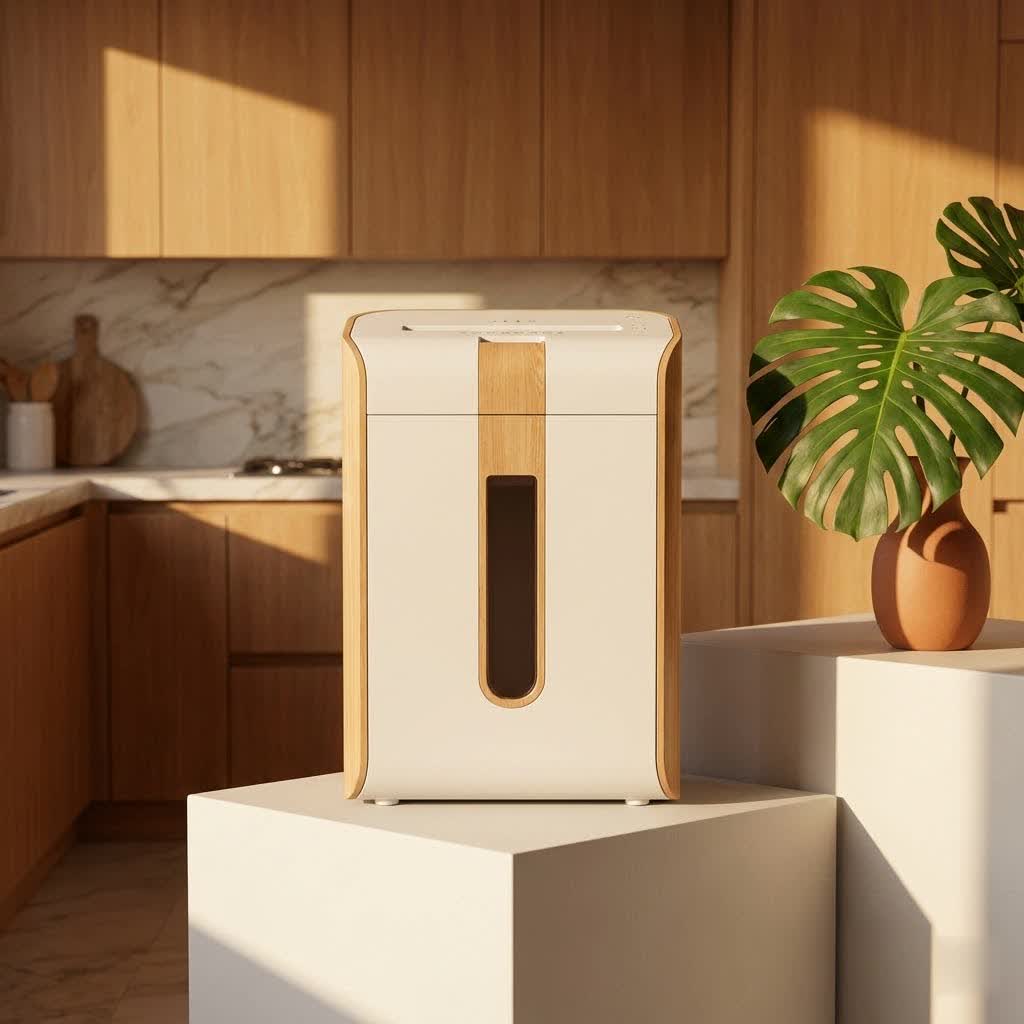
What Makes a Mailmate Shredder Stand Out?
Mailmate shredders, often recognized under the Staples or TRU RED branding, have carved out a solid reputation for combining compact design with surprising power. They’re designed for efficiency and user-friendliness, making document destruction less of a chore and more of a routine. Many users find them to be excellent value for money, especially given their capability to handle more than just standard paper.
Compact Power for Everyday Needs
|
Our Picks for the Best Paper Shredder in 2026
As an Amazon Associate I earn from qualifying purchases.
|
||
| Num | Product | Action |
|---|---|---|
| 1 | Woolsche 12-Sheet Cross Cut Paper Shredder with Large 5.55-Gallon Basket - P-4 Security, 3-Mode Shred for Cards/CDs/Staples/Clips - Jam Proof System for Office (ETL Certified) |

|
| 2 | Amazon Basics Cross Cut Paper and Credit Card Shredder for Security - 8-Sheet, Heavy Duty, White |
|
| 3 | Amazon Basics 6 Sheet Cross Cut Paper and Credit Card Home Office Shredder with 3.8 Gallon Bin, Black |
|
| 4 | Amazon Basics 8-Sheet Strip Cut Paper, CD, and Credit Card Shredder with Auto-Off Compact, Portable Design, No Basket, Extendable Arm, Black |
|
| 5 | Amazon Basics 8-Sheet Cross Cut Paper Shredder and Credit Card Shredder - Black |
|
| 6 | Fellowes 14C10 14-Sheet Cross-Cut Home Office Paper Shredder |
|
| 7 | Suntiko Small Paper Shredder for Home, 6 Sheet Strip Cut Paper Shredder Without Basket,Portable Shredder Extendable Arm Design with Overheat Protection for Home Office |
|
| 8 | Amazon Basics Cross Cut Paper and Credit Card Shredder, 12 Sheet (New Model), Black |
|
| 9 | Amazon Basics 200-Sheet Auto Feed Cross Cut Paper Shredder with Pullout Basket, Black |
|
| 10 | Amazon Basics Paper Shredder for Home and Office, 8-Sheet Strip Cut, CD/ Credit Card Shredder, 3.4 Gallon Wastebasket , Black |
|
Don’t let their often desktop-friendly size fool you; Mailmate shredders pack a punch. They are specifically engineered to tackle daily shredding tasks, from a handful of personal documents to bulkier junk mail. For instance, models like the Mailmate M7 cross-cut shredder are praised for their ability to shred several full file boxes, proving their durability for consistent home use. Their compact footprint means they can sit conveniently on a desk or countertop, right where you sort your mail, encouraging immediate disposal of sensitive information.
Advanced Security: Cross-Cut vs. Micro-Cut
When it comes to shredding, the type of cut is crucial for security. Mailmate offers both cross-cut and micro-cut options, each providing a different level of protection:
- Cross-Cut Shredders: These machines cut paper both lengthwise and widthwise, turning documents into small, diamond-shaped or confetti-like pieces. For example, some Mailmate cross-cut models produce shreds of about 0.157″ x 1.260″ or 0.2″ x 1″. This offers a good level of security (often P-3 or P-4 DIN security rating), making it very difficult for prying eyes to piece together information. They are highly effective for general household and small office needs.
- Micro-Cut Shredders: For those who demand even greater security, Mailmate micro-cut shredders are the way to go. These create incredibly tiny particles, sometimes as small as 4mm x 12mm or 4.3mm x 12mm. This P-4 security rating ensures that each letter-sized sheet can be reduced to hundreds, if not over a thousand, indiscernible pieces, providing superior protection for highly sensitive financial or personal data.
Choosing Your Perfect Mailmate: Key Features to Consider
Selecting the right Mailmate paper shredder means balancing your security needs with practical considerations for your usage habits.
Shred Type and Security Level
As discussed, this is paramount. If you’re shredding general household documents and junk mail, a cross-cut Mailmate will likely suffice. However, for tax documents, medical records, or client information, opt for a micro-cut Mailmate to ensure the highest level of data destruction and compliance with privacy standards. Look for a P-4 security rating for enhanced protection.
Sheet Capacity and Run Time
Mailmate shredders typically handle between 10 to 12 sheets of paper per pass. While some older heavy-duty cross-cut models might claim up to 20 sheets, it’s always best to stay within the recommended limit to prevent jams and extend the life of your machine.
Continuous run time refers to how long the shredder can operate non-stop before needing a break to cool down. Mailmate models often feature run times ranging from 5 to 8 minutes, followed by a cool-down period of 30 to 45 minutes. If you anticipate longer shredding sessions, consider a model with a longer run time or be prepared to take frequent breaks.
Waste Bin Size and Design
The waste bin capacity for Mailmate shredders usually falls around 1.4 to 1.62 gallons. While convenient for their compact size, some users note that these bins can fill up quickly. A pull-out bin design is common, making emptying easier. However, it’s worth checking user reviews, as some models may have a bin design where shredded paper can get stuck in the back or sides, requiring a bit more effort to fully clear.
Handling More Than Just Paper
A significant advantage of Mailmate shredders is their versatility. Most models are designed to shred beyond just paper, securely destroying:
- Credit Cards: Essential for preventing financial fraud.
- CDs/DVDs: Great for old software, backup discs, or sensitive media.
- Staples and Small Paper Clips: No need to remove these pesky fasteners, saving you time and hassle.
This “multimedia” capability makes Mailmate a truly comprehensive solution for your disposal needs. Some are even marketed as “junk mail shredders” because they can chew through unopened envelopes, contents and all, without a hitch.
Getting the Most Out of Your Mailmate Shredder
To ensure your Mailmate shredder remains a faithful guardian of your privacy for years to come, a little care goes a long way.
Proper Usage for Longevity
- Don’t Overfeed: Always stick to the recommended sheet capacity. Trying to force too many sheets at once is the quickest way to cause a jam and stress the motor.
- Respect Run Times: Pay attention to the continuous run time and allow the machine to cool down as needed. Overheating is a common cause of shredder failure, often triggering thermal overload protection.
- Feed Evenly: Try to feed paper straight into the slot to prevent uneven shredding and potential jams.
- Beware of Non-Shreddable Items: While Mailmate shredders are robust, avoid putting anything explicitly not listed in the manual, such as sticky labels, large metal objects, or extremely thick cardboard, which can damage the blades.
Essential Maintenance Tips
- Empty the Bin Regularly: A full bin can back up into the shredding mechanism, leading to jams or reduced performance. Keep an eye on the waste bin, especially those with smaller capacities.
- Oil Your Shredder: Shredder oil is your best friend! It lubricates the cutting blades, reduces friction, and prevents paper dust buildup. Apply shredder oil (or use lubricating sheets) regularly, especially after emptying the bin or after prolonged use. This simple step drastically extends the lifespan of your Mailmate.
- Clean the Sensors: Some shredders have sensors that detect paper or a full bin. Dust and paper particles can accumulate on these, causing the shredder to malfunction. Gently clean them with a cotton swab.
Troubleshooting Common Mailmate Shredder Issues
Even the most reliable machines can encounter a hiccup now and then. Here’s how to address some common Mailmate shredder problems:
Clearing Paper Jams
Q: What should I do if my Mailmate shredder jams?
A: First, turn off and unplug the shredder for safety. Many Mailmate models feature an auto-reverse function; try running it in reverse to clear the jam. If that doesn’t work, gently pull out the jammed paper. For stubborn jams, you might need to carefully access the inner blades, often by removing the top of the shredder. Always consult your specific model’s manual for disassembly instructions to avoid damage or injury.
Dealing with Overheating
Q: What should I do if my Mailmate shredder overheats?
A: If your Mailmate shredder stops working due to overheating, it means the thermal overload protection has activated. Simply turn off and unplug the unit, then let it cool down completely. This can take anywhere from 30 to 45 minutes, depending on the model and how heavily it was used. Frequent overheating suggests you might be pushing the machine beyond its recommended continuous run time.
When Your Shredder Won’t Turn On
Q: Why isn’t my Mailmate shredder turning on, even when plugged in?
A: If your Mailmate shredder won’t turn on, first check if the waste bin is fully and correctly engaged. Many models have an interlocking bin or safety switch that prevents operation if the bin isn’t properly seated. Also, ensure the power cord is securely plugged into both the shredder and a working outlet. In some cases, especially after heavy use, an internal fuse might blow. While replacing a fuse requires opening the unit (and sometimes replacing it with a resettable circuit breaker), this is typically a more advanced repair best left to those comfortable with electronics, or professional service.
Expert Insight: A Professional’s Take
“After years in the document destruction industry, I can confidently say that the Mailmate line offers exceptional value for personal and small office use,” says Amelia Chen, a seasoned shredder technician and Mrouk.com’s lead product analyst. “Their micro-cut models, in particular, provide a level of security that was once reserved for much more expensive machines. Just remember to oil them regularly—it’s the single most impactful thing you can do for your shredder’s longevity.”
Frequently Asked Questions About Mailmate Shredders
What is the difference between cross-cut and micro-cut in Mailmate shredders?
Cross-cut Mailmate shredders cut paper into smaller, confetti-like pieces, offering good security (P-3/P-4 rating). Micro-cut Mailmate shredders, on the other hand, reduce documents to even finer, dust-like particles (P-4 rating), providing a higher level of security suitable for very sensitive information.
How often should I empty my Mailmate shredder’s bin?
You should empty your Mailmate shredder’s bin whenever it’s full or nearing capacity to prevent jams and ensure optimal performance. Some models have a visible window or an indicator light to help you monitor the fill level. Due to their compact size, Mailmate bins typically range from 1.4 to 1.6 gallons, meaning more frequent emptying might be required compared to larger office shredders.
Can Mailmate shredders handle staples and credit cards?
Yes, most Mailmate paper shredders are designed to handle not only paper but also standard staples, small paper clips, credit cards, and even CDs/DVDs. This makes them a versatile tool for destroying various forms of sensitive media, offering comprehensive security for your personal and financial data.
What should I do if my Mailmate shredder overheats?
If your Mailmate shredder overheats and stops operating, it’s usually due to its built-in thermal overload protection activating. Turn the shredder off, unplug it, and allow it to cool down completely for the recommended period (typically 30-45 minutes). This prevents damage to the motor and ensures safe operation.
Are Mailmate shredders suitable for heavy-duty office use?
Mailmate shredders are primarily designed for personal or small office use, characterized by continuous run times of 5-8 minutes and smaller bin capacities. While they are robust for their category, they are generally not intended for heavy-duty, continuous commercial shredding volumes that require longer run times and much larger waste bins. For such demanding environments, an industrial-grade shredder would be more appropriate.
Beyond the Shred: Securing Your Digital Footprint
Investing in a Mailmate paper shredder is a smart move for protecting your physical documents. However, true data security extends beyond paper. Remember to also safeguard your digital information, regularly clearing browser history, securing online accounts with strong, unique passwords, and utilizing antivirus software.
By choosing the right Mailmate shredder and following these expert tips, you’re not just buying a machine; you’re investing in peace of mind. Shred with confidence, and keep your personal information exactly where it belongs: with you.
