In our increasingly digital world, it might seem like paper documents are a thing of the past. Yet, for both homes and businesses, sensitive paper information still circulates, from bank statements and utility bills to client records and personal identification. Simply tossing these into the recycling bin is an open invitation to identity theft and data breaches. This is where a reliable paper shredder becomes not just a convenience, but an absolute necessity.
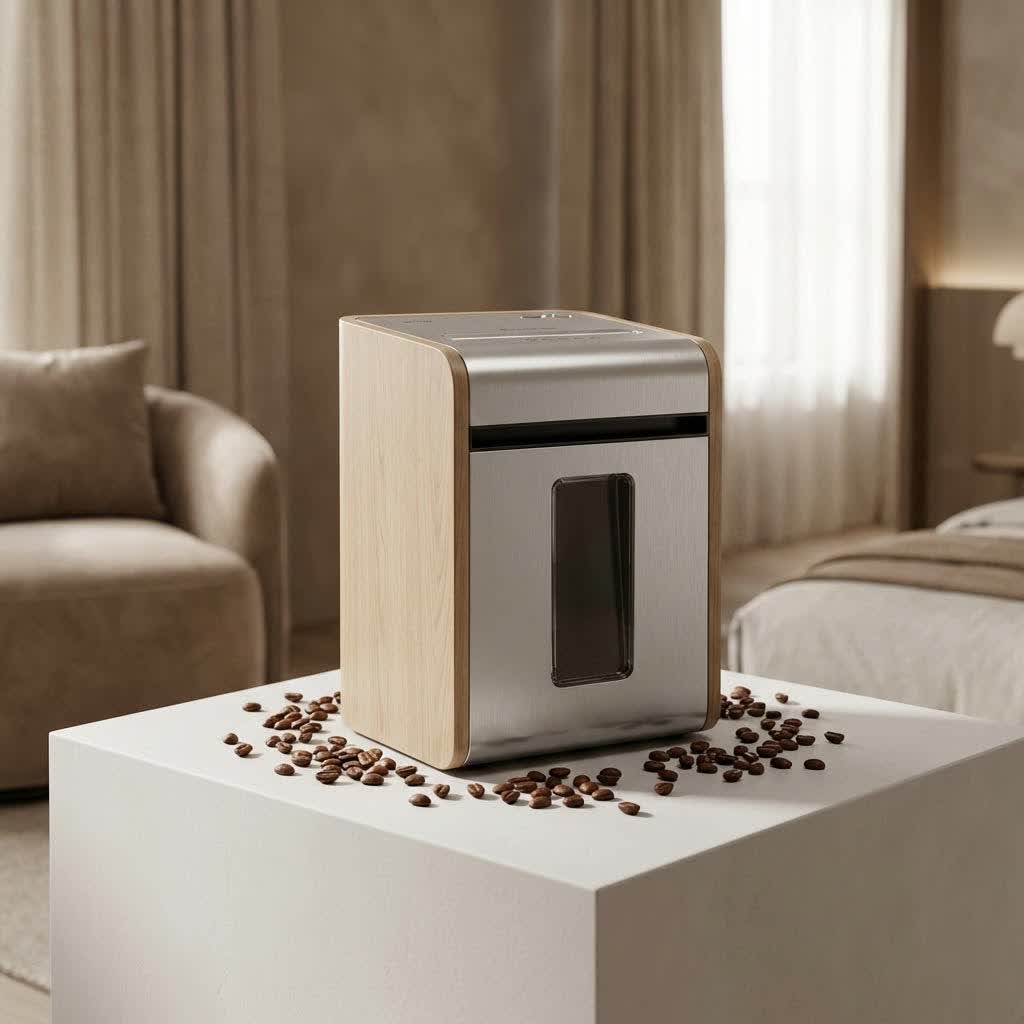
Think of your paper shredder as the silent guardian of your personal and professional privacy. It’s an indispensable tool for securing confidential data, complying with privacy regulations, and simply keeping your workspace free from clutter. But with so many options available, how do you pick the right one, use it effectively, and keep it running smoothly for years? Let’s dive deep into the world of paper shredders.
Why a Paper Shredder is Essential in Today’s World
In an age where data security is paramount, the physical disposal of documents is just as crucial as digital protection. Ignoring this can lead to serious consequences.
Identity Theft Prevention
|
Our Picks for the Best Paper Shredder in 2026
As an Amazon Associate I earn from qualifying purchases.
|
||
| Num | Product | Action |
|---|---|---|
| 1 | Amazon Basics 200-Sheet Auto Feed Cross Cut Paper Shredder with Pullout Basket, Black |

|
| 2 | Amazon Basics Cross Cut Paper and Credit Card Shredder, 12 Sheet (New Model), Black |
|
| 3 | Amazon Basics 6 Sheet Cross Cut Paper and Credit Card Home Office Shredder with 3.8 Gallon Bin, Black |
|
| 4 | Woolsche 12-Sheet Cross Cut Paper Shredder with Large 5.55-Gallon Basket - P-4 Security, 3-Mode Shred for Cards/CDs/Staples/Clips - Jam Proof System for Office (ETL Certified) |
|
| 5 | Fellowes 14C10 14-Sheet Cross-Cut Home Office Paper Shredder |
|
| 6 | Amazon Basics 8-Sheet Strip Cut Paper, CD, and Credit Card Shredder with Auto-Off Compact, Portable Design, No Basket, Extendable Arm, Black |
|
| 7 | Amazon Basics Paper Shredder for Home and Office, 8-Sheet Strip Cut, CD/ Credit Card Shredder, 3.4 Gallon Wastebasket , Black |
|
| 8 | Suntiko Small Paper Shredder for Home, 6 Sheet Strip Cut Paper Shredder Without Basket,Portable Shredder Extendable Arm Design with Overheat Protection for Home Office |
|
| 9 | Amazon Basics Cross Cut Paper and Credit Card Shredder for Security - 8-Sheet, Heavy Duty, White |
|
| 10 | Amazon Basics 8-Sheet Cross Cut Paper Shredder and Credit Card Shredder - Black |
|
Every piece of paper with your name, address, account numbers, or other personal details is a potential vulnerability. Criminals often scour trash for such information, using it to open fraudulent accounts, steal your identity, or gain access to your finances. A paper shredder physically destroys these documents, rendering the information unusable and safeguarding you against these threats.
Data Privacy Compliance
For businesses, and even individuals working from a home office, legal obligations often dictate how sensitive data must be handled and disposed of. Regulations like GDPR, HIPAA, and various local privacy laws require proper destruction of confidential information. A high-security paper shredder helps you meet these stringent requirements, preventing hefty fines and reputational damage.
Decluttering Your Life
Beyond security, a paper shredder is a fantastic tool for decluttering. Old bills, expired contracts, and unnecessary mail can quickly pile up, creating messy stacks and mental overload. Regular shredding helps you maintain an organized environment, giving you peace of mind and more physical space.
Understanding Paper Shredder Types and Security Levels
Not all paper shredders are created equal. Their main difference lies in how they cut paper, which directly impacts the security level they offer. This is often rated by the DIN P-standard (DIN 66399), with higher numbers indicating smaller shred sizes and greater security.
Strip-Cut Shredders: Basic Security (P-1/P-2)
Strip-cut shredders are the most basic and typically the most affordable type. They cut paper into long, narrow strips, much like spaghetti.
- How they work: A single set of rotating blades cuts the paper vertically, parallel to the direction of feed.
- Pros: Generally fast, can handle more sheets per pass, and are less prone to jamming. They are suitable for non-sensitive documents like junk mail or old notes that contain no personal information.
- Cons: Offer the lowest security. The long strips can theoretically be pieced back together with enough effort, making them unsuitable for confidential documents.
Cross-Cut Shredders: Enhanced Security (P-3/P-4)
Cross-cut shredders are the most popular choice for many homes and small offices, offering a significant upgrade in security over strip-cut models.
- How they work: These shredders use two contra-rotating drums to cut paper both vertically and horizontally, creating smaller, confetti-like rectangular or diamond-shaped pieces.
- Pros: Provide a much higher level of security, making reconstruction far more difficult. They are ideal for bank statements, utility bills, and most personal documents.
- Cons: Typically slower and can handle fewer sheets per pass than strip-cut models. The shredded particles are still recognizable as paper fragments.
Micro-Cut Shredders: Maximum Security (P-5 and Above)
For ultimate data protection, micro-cut shredders are the gold standard. They transform your documents into minuscule, confetti-like particles that are virtually impossible to reassemble.
- How they work: Similar to cross-cut, but with finer cutting mechanisms that produce extremely tiny square or circular pieces, often resembling fine sand or dust.
- Pros: Offer the highest level of security, crucial for highly confidential documents like medical records, legal papers, or government sensitive data. The smaller particle size also means the waste bin fills up less quickly.
- Cons: Generally the slowest, can handle the fewest sheets at once, and come with a higher price tag. They may also require more frequent oiling due to the intricate blades.
Understanding DIN P-Ratings
The DIN P-rating system (Deutsches Institut für Normung) provides a standardized way to measure the security level of a shredder:
- P-1 & P-2: Basic security (strip-cut)
- P-3 & P-4: Enhanced security (cross-cut, suitable for most confidential documents)
- P-5: High security (micro-cut, for very sensitive data)
- P-6 & P-7: Top-secret security (micro-cut, used by government and military for classified information)
How to Choose the Perfect Paper Shredder for Your Needs
Selecting the right paper shredder isn’t just about grabbing the first one you see. It involves a thoughtful assessment of your specific requirements.
Assess Your Security Requirements
First, consider the type of documents you’ll be shredding. Are they merely junk mail or highly confidential financial statements? For everyday personal use and general privacy, a cross-cut shredder (P-3 or P-4) is usually sufficient. If you handle extremely sensitive information, like patient records or legal documents, a micro-cut shredder (P-5 or higher) is a non-negotiable investment.
Consider Shredding Volume and Capacity
How much shredding do you do and how often?
- Sheets per Pass: This tells you how many sheets the shredder can handle at one time. A personal shredder might take 6-10 sheets, while a small office model can handle 12-20, and commercial units much more.
- Bin Capacity: Measured in gallons or liters, this determines how often you’ll need to empty the waste bin. Larger bins are convenient for high-volume shredding.
- Runtime and Cooldown: Shredders are designed for specific continuous run times before they need to cool down to prevent overheating. If you have large batches, look for a shredder with a longer continuous runtime (e.g., 30+ minutes) to avoid frequent pauses.
Evaluate Additional Features
Modern paper shredders come with a host of features designed to enhance usability, safety, and efficiency.
- Auto-Feed: Ideal for shredding large stacks without constant supervision. You load a stack, and the machine feeds itself.
- Jam Resistance (Auto-Reverse): This crucial feature automatically detects and reverses paper when a jam is imminent, significantly reducing frustration and potential damage.
- Safety Features: Look for features like “SafeSense” technology (Fellowes) that stops the shredder when hands touch the paper entry, essential if you have children or pets.
- Ability to Shred Other Materials: Many shredders can handle staples, paper clips, credit cards, and even CDs/DVDs through dedicated slots. Confirm this capability if you need it.
- Noise Level: Some shredders are much quieter than others, a significant factor if you work in a quiet office or use it at home.
Budget and Brand Reputation
While it’s tempting to go for the cheapest option, remember that a paper shredder is an investment in security. Reputable brands like Fellowes, Rexel, Aurora, and Bonsaii often offer better durability, performance, and customer support. Balance your budget with your security needs and desired features.
Best Practices for Using Your Paper Shredder
Using your paper shredder correctly is key to its performance and longevity.
- Don’t Overload: Always adhere to the manufacturer’s recommended sheet capacity per pass. Trying to force too much paper through at once is the quickest way to cause a jam or damage the motor.
- Use Designated Slots for Non-Paper Items: If your shredder handles credit cards or CDs, use the separate designated slots. These materials often require a different cutting mechanism than paper.
- Empty Bin Regularly: Don’t wait until the bin is overflowing. An overly full bin can cause paper to back up into the cutting mechanism, leading to jams or reduced efficiency.
Essential Paper Shredder Maintenance Tips for Longevity
Just like any other piece of equipment, a paper shredder needs regular care to perform optimally and extend its lifespan. Neglecting maintenance can lead to frustrating jams, overheating, and premature wear.
Regular Oiling: The Secret to Smooth Operation
Oiling is arguably the most critical maintenance step for any paper shredder, especially cross-cut and micro-cut models. It lubricates the blades, reduces friction, and helps them cut cleanly.
- How to Oil: You can apply shredder oil in a zigzag pattern across a sheet of paper and run it through the shredder. Alternatively, for shredders with direct oiling ports, you can apply oil directly to the cutting mechanism. After oiling, run the shredder in reverse for a few seconds to evenly distribute the lubricant.
- Frequency: For heavy use (daily shredding), oil every 2-3 days. For moderate use, weekly is sufficient. For light use, oil every two weeks or whenever you empty the bin. Always use manufacturer-approved shredder oil; alternatives like WD-40 or vegetable oils can damage your machine.
Cleaning the Blades and Sensors
Paper dust and small particles can accumulate over time, dulling blades and blocking sensors, which can lead to malfunctions or jams.
- Canned Air: Use canned air every couple of weeks to blow away dust and debris from the cutting mechanism and sensor areas. Always unplug the shredder first.
- Vacuum Cleaner: A nozzle attachment on a vacuum cleaner can effectively remove small paper particles from hard-to-reach areas within the shredder’s feed and waste bin compartment monthly.
- Wiping Down: Gently wipe the exterior of your shredder with a damp cloth (never spray cleaner directly) to keep it clean.
Running in Reverse
Occasionally running your shredder in reverse, even without paper, can help clear out small bits of paper that might be clinging to the blades and prevent future build-up.
Troubleshooting Common Paper Shredder Problems
Even with the best maintenance, sometimes issues arise. Knowing how to troubleshoot common problems can save you time and the cost of a repair or replacement.
Paper Jams: Clearing the Blockage
Paper jams are the most common shredder problem.
- Use the Reverse Function: If you hear the motor strain or see paper getting stuck, immediately press the reverse button. This often backs out the jammed paper.
- Unplug and Manually Remove: If reversing doesn’t work, unplug the shredder immediately. Then, carefully use tweezers or pliers to remove visible pieces of jammed paper. Never use your fingers near the blades, even if unplugged.
- Preventative Measures: Avoid overloading the shredder and ensure blades are regularly oiled.
Overheating: Giving Your Shredder a Break
Shredders, especially those used for large volumes, can overheat if run continuously beyond their specified runtime.
- Allow to Cool: If your shredder stops working and an “overheat” indicator light is on, simply unplug it and let it cool down completely. This can take anywhere from 20 to 90 minutes.
- Proper Ventilation: Ensure the shredder is placed in a well-ventilated area and that its ventilation slots are clean and unblocked.
- Respect Runtime: Adhere to the manufacturer’s recommended continuous run time and cool-down periods.
Shredder Won’t Turn On
If your shredder isn’t responding:
- Check Power: Ensure it’s securely plugged into a working outlet.
- Bin Seating: Most shredders have a safety switch that prevents operation if the waste bin isn’t properly seated. Push the bin firmly into place.
- Overload/Overheat: Check if an overload or overheat indicator is active, and address those issues as described above.
Conclusion
Investing in a quality paper shredder and understanding how to effectively use and maintain it is a smart decision for anyone serious about security and organization. From basic strip-cut models for non-sensitive documents to high-security micro-cut machines for ultimate privacy, there’s a paper shredder designed for every need. By following these expert tips on choosing the right type, practicing proper usage, and committing to regular maintenance, you’ll ensure your paper shredder remains a reliable ally in protecting your sensitive information and keeping your world clutter-free for years to come. Don’t just discard your documents—shred them, and enjoy the peace of mind that comes with knowing your data is secure.
Frequently Asked Questions
What is the best type of paper shredder for home use?
For most home users, a cross-cut paper shredder (P-3 or P-4 security level) offers an excellent balance of security, speed, and affordability. It’s ideal for shredding bank statements, bills, and other personal documents, providing much better protection than a strip-cut model.
How often should I oil my paper shredder?
The frequency of oiling depends on your usage. For daily shredding, oil every 2-3 days. For moderate use, once a week is usually sufficient. For light use, oil every two weeks or each time you empty the waste bin. Always use specific shredder oil to lubricate the blades effectively and safely.
Can I shred credit cards and CDs in any paper shredder?
No, not all paper shredders are designed to shred credit cards or CDs. Check the product specifications carefully. Many shredders capable of handling these items will have a separate, dedicated slot for them. Attempting to shred non-paper items in a shredder not designed for them can cause severe damage.
What should I do if my paper shredder jams?
If your paper shredder jams, immediately press the reverse button to try and clear the blockage. If that doesn’t work, unplug the shredder at once, then carefully remove any visible paper pieces using tweezers or pliers. Never use your fingers. To prevent jams, avoid overloading and ensure you oil the blades regularly.
What does the P-rating mean for paper shredders?
The P-rating, or DIN P-standard (DIN 66399), indicates the security level of a paper shredder. It ranges from P-1 (least secure, large strip-cut pieces) to P-7 (most secure, extremely small micro-cut particles). Higher P-ratings mean smaller shredded pieces, offering greater protection for highly sensitive and confidential documents.
