A heavy duty paper shredder is essential for protecting sensitive data, transforming confidential paperwork into unreadable confetti. These machines are built for endurance and volume, capable of shredding 20 to 100+ sheets in a single pass with extended or continuous run times. For over 15 years, these robust shredders have been the unsung heroes of offices and homes, offering peace of mind and robust security by destroying various materials beyond just paper.
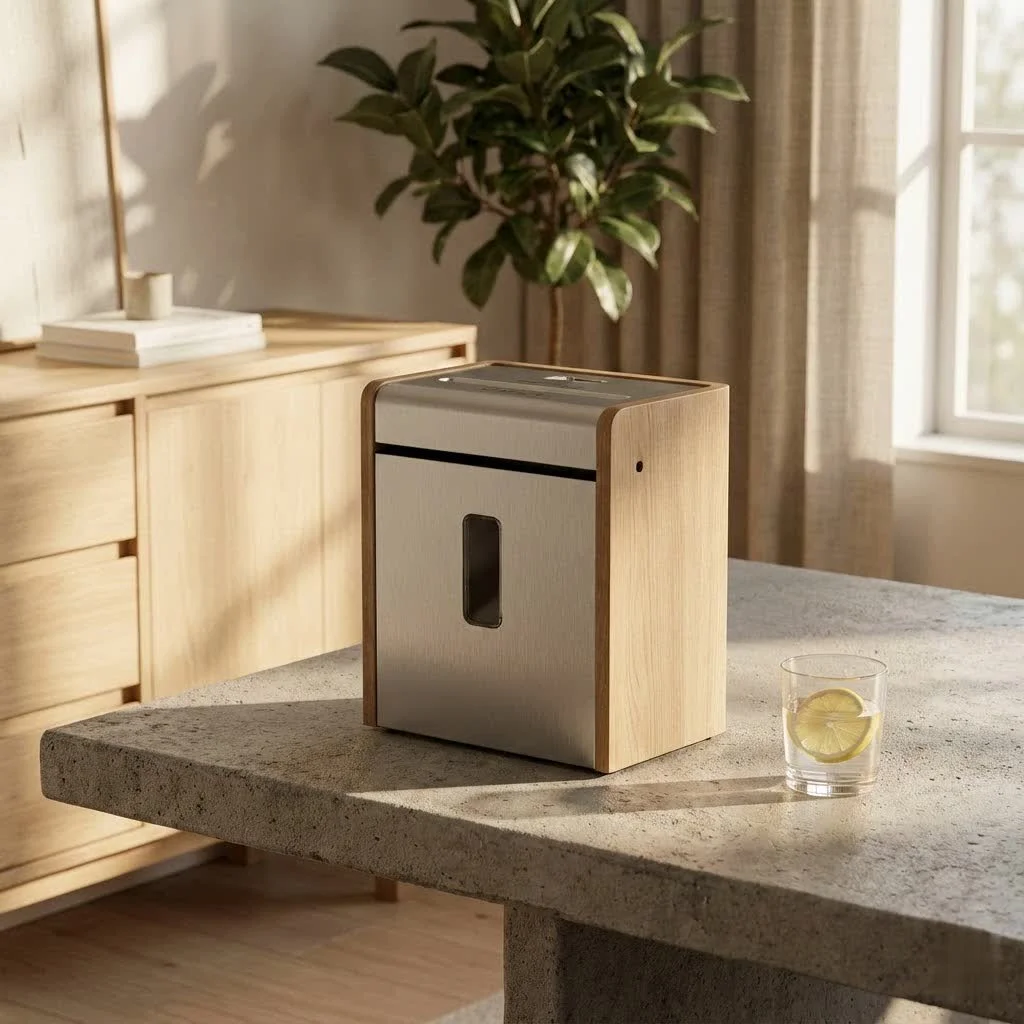
Choosing the right shredder can seem complex, but Mrouk.com aims to empower you with knowledge to make an informed decision, ensuring your data remains safe and operations smooth.
What Makes a Shredder “Heavy Duty”?
Unlike small, personal shredders that quickly overheat, a heavy duty paper shredder is engineered for endurance and high volume. It handles significant shredding tasks effortlessly, making it indispensable for businesses, institutions, and busy home offices.
Key characteristics define a “heavy duty” shredder:
- High Sheet Capacity: These models shred 20, 30, or even over 100 sheets in one pass, far exceeding standard shredders that handle 5-10 sheets.
- Extended or Continuous Run Time: Many heavy duty shredders operate continuously for hours without cool-down periods, crucial for large shredding jobs and preventing interruptions.
- Durable Motor and Cutting Blades: Featuring robust motors and hardened steel cutting shafts, they withstand intense use and shred various materials beyond paper.
- Large Bin Volume: A larger waste bin reduces emptying frequency, allowing for longer, uninterrupted shredding sessions.
- Versatile Material Shredding: Most heavy duty paper shredders destroy staples, paper clips, credit cards, and CDs/DVDs, providing comprehensive data destruction.
Decoding the Cut: Types of Heavy Duty Shredders
The shredder’s cut type determines security, with more intricate cuts making information reconstruction harder. Heavy duty shredders offer various cut types, each with different DIN security levels (P-1 to P-7).
Strip-Cut Shredders
- How they work: These shredders cut paper into long, narrow strips, similar to spaghetti.
- Security Level: Generally P-1 to P-2.
- Pros: Fastest shredding speed, highest sheet capacity, and typically the most affordable.
- Cons: Least secure, as strips can potentially be reassembled. Not ideal for highly confidential documents.
- Best for: General waste paper, non-sensitive documents.
Cross-Cut Shredders
- How they work: The most common type for offices, cross-cut shredders slice paper both lengthwise and crosswise, creating smaller, confetti-like pieces (squares or diamonds).
- Security Level: P-3 to P-5. P-4 is often the minimum recommended for businesses to meet GDPR compliance.
- Pros: Significantly more secure than strip-cut, making data recovery much more difficult. Offers a good balance of security, speed, and capacity.
- Cons: Slower than strip-cut, and bins fill faster due to smaller particle size.
- Best for: Bank statements, invoices, personal information, and most business documents.
Micro-Cut Shredders
|
Our Picks for the Best Paper Shredder in 2026
As an Amazon Associate I earn from qualifying purchases.
|
||
| Num | Product | Action |
|---|---|---|
| 1 | Amazon Basics Cross Cut Paper and Credit Card Shredder for Security - 8-Sheet, Heavy Duty, White |

|
| 2 | Amazon Basics Paper Shredder for Home and Office, 8-Sheet Strip Cut, CD/ Credit Card Shredder, 3.4 Gallon Wastebasket , Black |
|
| 3 | Woolsche 12-Sheet Cross Cut Paper Shredder with Large 5.55-Gallon Basket - P-4 Security, 3-Mode Shred for Cards/CDs/Staples/Clips - Jam Proof System for Office (ETL Certified) |
|
| 4 | Fellowes 14C10 14-Sheet Cross-Cut Home Office Paper Shredder |
|
| 5 | Amazon Basics 200-Sheet Auto Feed Cross Cut Paper Shredder with Pullout Basket, Black |
|
| 6 | Suntiko Small Paper Shredder for Home, 6 Sheet Strip Cut Paper Shredder Without Basket,Portable Shredder Extendable Arm Design with Overheat Protection for Home Office |
|
| 7 | Amazon Basics 8-Sheet Cross Cut Paper Shredder and Credit Card Shredder - Black |
|
| 8 | Amazon Basics 8-Sheet Strip Cut Paper, CD, and Credit Card Shredder with Auto-Off Compact, Portable Design, No Basket, Extendable Arm, Black |
|
| 9 | Amazon Basics 6 Sheet Cross Cut Paper and Credit Card Home Office Shredder with 3.8 Gallon Bin, Black |
|
| 10 | Amazon Basics Cross Cut Paper and Credit Card Shredder, 12 Sheet (New Model), Black |
|
- How they work: These shredders provide the highest security, grinding paper into incredibly tiny particles, almost like dust.
- Security Level: P-5 to P-7 (the highest security). NSA-approved models often fall into this category.
- Pros: Offers the highest level of data security, rendering documents virtually unrecoverable. Essential for highly sensitive or top-secret information.
- Cons: Slower throughput, lower sheet capacity per pass, and generally the most expensive. Bins fill very quickly.
- Best for: Government documents, healthcare records (HIPAA compliance), legal documents, and any information requiring ultimate destruction.
Commercial vs. Industrial: What’s the Difference?
While both are considered “heavy duty,” commercial and industrial paper shredders differ significantly in scale and application.
Commercial Shredders
- Purpose: Designed for heavy use in office environments, small to medium-sized businesses, or departmental shredding.
- Capacity: Handles moderate to high volumes of paper daily (e.g., 20-100+ sheets per pass, continuous run times of several hours).
- Size & Design: Typically larger than personal shredders but manageable for office spaces, often resembling a large wastebasket or filing cabinet. May have intuitive controls and easily replaceable parts.
- Materials: Primarily paper, but usually handles staples, paper clips, CDs, and credit cards.
- Maintenance: Generally simpler, with users able to perform basic upkeep like oiling and bin emptying.
- Examples: Ideal for busy law firms, accounting offices, or medical practices.
Industrial Shredders
- Purpose: Built for large-scale, continuous shredding operations in industrial settings, recycling centers, or large corporations processing vast quantities of waste materials.
- Capacity: Extremely high processing capacity, measured in hundreds or thousands of kilograms per hour, often capable of continuous, non-stop operation. Some can handle over 400 sheets at a time.
- Size & Design: Much larger and more robust, often resembling a photocopy machine or larger. They may feature conveyor belts for feeding and complex control systems.
- Materials: Highly versatile, capable of shredding not just paper but also cardboard, plastics, metals, and even textiles, depending on the model.
- Maintenance: Requires more specialized knowledge and skills for maintenance and repairs, and spare parts may need regular replacement.
- Examples: Suitable for large manufacturing facilities, document destruction services, or government agencies with bulk shredding needs.
Choosing between these depends entirely on your shredding volume, the types of materials you need to destroy, and your budget. For most businesses, a commercial heavy duty paper shredder will be more than sufficient.
Key Features to Consider When Buying
When investing in a heavy duty paper shredder, consider these features that impact efficiency, security, and user experience:
- Sheet Capacity & Bin Volume: Look for high sheet capacity (e.g., 20+ pages) and a large bin (e.g., 20-gallon+) for true heavy duty performance.
- Continuous Run Time: Critical for high-volume tasks. Seek “continuous duty” or run times exceeding 30-60 minutes with minimal cool-down.
- Security Level (DIN P-Rating): Match the security level to document sensitivity; P-4 or P-5 cross-cut or micro-cut is a good starting point for most businesses.
- Throat Size: A wider throat (e.g., 9.5 inches or more) accommodates larger or non-standard paper sizes.
- Shredding Speed: Measured in feet per minute (fpm) or sheets per minute (spm), a faster shredder reduces waiting time.
- Ability to Shred Other Materials: Ensure the shredder is designed for multi-media destruction if you need to destroy CDs, credit cards, or cardboard.
- Jam-Proof Technology: Features like automatic reverse, overload protection, and anti-jam sensors prevent frustrating paper jams.
- Noise Level: If in a shared office, look for models advertised as “quiet operation.”
- Safety Features: Auto shut-off when the bin is open, touch-sensitive safety guards, and automatic power-off are essential.
- Auto-Feed Capability: Advanced models with auto-feed trays allow loading hundreds of sheets for automatic shredding, freeing up time.
- Warranty: A good warranty (e.g., 2-5 years on the machine, longer on cutters) indicates manufacturer confidence and protects your investment.
Who Needs a Heavy Duty Paper Shredder?
While a small personal shredder suffices for occasional home use, a heavy duty paper shredder is necessary for:
- Small, Medium, and Large Businesses: Any organization handling client data, financial records, employee information, or proprietary documents.
- Government Offices & Agencies: For compliance with strict data security regulations and destruction of classified materials.
- Healthcare Facilities: To meet HIPAA compliance and securely dispose of patient records.
- Legal & Financial Firms: For shredding sensitive case files, client financial data, and legal documents.
- Schools & Universities: To destroy student records, financial aid applications, and administrative documents.
- High-Volume Home Offices: Entrepreneurs, freelancers, or individuals generating significant amounts of paperwork with sensitive information.
As Mrouk shredding expert Mr. Alistair Finch often says, “in document security, a robust heavy duty paper shredder isn’t just an option; it’s the foundation of impenetrable data defense for any serious enterprise.”
Keeping Your Shredder Running: Usage and Maintenance Tips
Even the most powerful heavy duty paper shredder requires proper care for optimal performance and longevity. Regular maintenance prevents costly repairs and annoying downtime.
Essential Usage Tips
- Respect Sheet Capacity: Never overload your shredder; adhere to the manufacturer’s recommended sheet limit per pass to prevent jams and motor damage.
- Vary Feed Direction (if manual): Feed paper into different spots to ensure even blade wear.
- Remove Obstacles: While many heavy duty shredders handle staples and paper clips, remove large clips or binding coils to minimize blade wear and potential jams.
- Don’t Force It: If the shredder struggles, stop immediately. Forcing paper through will worsen the problem.
- Give it a Break (if not continuous duty): If your model isn’t rated for continuous use, respect its cool-down period to prevent overheating and internal damage.
Critical Maintenance Tips
- Oil Your Shredder Blades Regularly: This is crucial. Shredder oil reduces friction, keeps blades sharp, and prevents paper dust buildup.
- How often? For heavy daily use, oil every 2-3 days or with every bin emptying. For moderate use, weekly. For light use, every two weeks.
- How to do it: Apply shredder oil in a zigzag pattern across a sheet of paper, then run it through the shredder. For auto-oilers, ensure the oil reservoir is filled. Never use vegetable oil, WD-40, or other alternatives.
- Empty the Waste Bin Promptly: A full bin can trigger the “bin full” sensor, stopping shredding, or cause paper dust to back up into the cutting mechanism.
- Clean Dust and Debris: Use a soft cloth or compressed air to clean the feed opening, sensors, and the area around the blades (when unplugged!).
- Run in Reverse: Occasionally running your shredder in reverse for a few seconds helps dislodge small paper particles from the blades.
- Check for Loose Components: Periodically inspect the shredder for any loose screws or components and tighten them as needed.
Troubleshooting Common Heavy Duty Shredder Issues
Even robust machines can have hiccups. Here’s how to tackle common problems:
1. Paper Jams
- Why it happens: Overloading, feeding crumpled paper, or lack of oiling.
- How to fix:
- Stop and Unplug: Always unplug the machine for safety.
- Use Reverse: Press the reverse button for a few seconds; this often backs the paper out.
- Manual Removal: If reverse fails, unplug the shredder again. Carefully use tweezers or pliers to remove visible paper pieces.
- Oil the Jam: For stubborn jams, apply shredder oil directly to the jammed area, let it soak for an hour or more, then try reverse again.
- Prevention: Adhere to sheet capacity, feed paper straight, and oil regularly.
2. Overheating
- Why it happens: Continuous use beyond the rated duty cycle, or a full bin causing the motor to work harder.
- How to fix:
- Allow to Cool: The shredder usually shuts off automatically. Give it a minimum of 20-30 minutes (or longer, as per the manual) to cool down.
- Prevention: Respect duty cycles, empty the bin, and spread out large shredding tasks.
3. Shredder Won’t Start / Bin Full Light Stays On
- Why it happens: Improperly seated waste bin, blocked safety sensors, or power issues.
- How to fix:
- Check Bin: Ensure the waste bin is correctly seated and the door (if applicable) is fully closed.
- Clean Sensors: Unplug the shredder. Locate the bin-full sensors (usually small optical sensors near the cutting head or within the bin area) and clean them with a dry cloth or compressed air.
- Power Check: Verify it’s plugged in correctly and the outlet is working. Check for blown fuses.
- Overheating: If recently used, it might be in cool-down mode.
4. Noisy Operation
- Why it happens: Lack of lubrication, worn blades, or foreign objects.
- How to fix:
- Oil Blades: Most commonly, noisy operation indicates a need for oil.
- Inspect: Unplug and check for any foreign objects caught in the cutters.
- Professional Service: If persistent, it might indicate internal wear, requiring professional servicing.
Choosing the Right Heavy Duty Paper Shredder: A Checklist
To help you make the best decision, consider this checklist:
- What is my average daily shredding volume? (Number of sheets/documents)
- What is the highest security level I need? (P-3 for general, P-4 for GDPR/HIPAA, P-5+ for ultra-sensitive)
- What types of materials will I be shredding? (Paper, staples, clips, CDs, credit cards)
- How long do I need it to run continuously? (e.g., 30 minutes, 1 hour, continuous)
- What is my budget? (Heavy duty models range widely based on features and capacity)
- How much space do I have? (Consider physical dimensions and bin access)
- Is noise level a concern? (For shared office environments)
- Are jam-proof or auto-feed features important for my workflow?
Frequently Asked Questions (FAQ)
Q: Can a heavy duty paper shredder shred cardboard?
A: Some industrial-grade heavy duty paper shredders are specifically designed to shred cardboard, but most commercial or office-grade heavy duty shredders are not. Always check the product specifications for multi-media shredding capabilities.
Q: How often should I oil my heavy duty paper shredder?
A: For heavy daily use, oil your shredder every 2-3 days or after every few bin empties. For moderate use, weekly is generally sufficient. Light users can oil every two weeks. Consistency is key!
Q: What’s the best security level for a business?
A: For most businesses handling general sensitive information and complying with regulations like GDPR, a P-4 cross-cut shredder is often considered the minimum standard. For highly confidential data, a P-5 or P-6 micro-cut shredder is recommended.
Q: How do I prevent my heavy duty paper shredder from overheating?
A: Avoid continuously running the shredder beyond its specified duty cycle. If it’s not a continuous-duty model, allow it to cool down as per the manufacturer’s instructions. Also, keep the bin from overflowing, as a full bin makes the motor work harder.
Q: Can I put wet paper or sticky labels in a heavy duty paper shredder?
A: No, you should avoid shredding wet paper, paper with excessive glue residue, or stickers. These materials can gum up the blades, cause jams, and lead to buildup that hinders performance.
Q: What does “continuous run time” mean for a heavy duty shredder?
A: “Continuous run time” means the shredder is designed to operate without needing cool-down periods, allowing for extended, uninterrupted shredding sessions. This is a crucial feature for high-volume environments where efficiency is paramount.
Conclusion
A heavy duty paper shredder is more than just an office appliance; it’s a vital guardian of your privacy and data security. Whether you’re a bustling corporation or a home office with a significant paper trail, investing in the right machine ensures that sensitive information is destroyed completely and efficiently. By understanding the different types, key features, and maintenance essentials, you can confidently select a heavy duty paper shredder that meets your needs, boosts productivity, and provides unwavering peace of mind. secure disposal isn’t just a task; it’s a commitment to protecting what matters most. Choose wisely, maintain diligently, and keep your confidential information truly confidential.
Get our weekly buyer guide
Practical specs, not advice. Unsubscribe anytime.

I appreciate the breakdown of what makes a shredder ‘heavy duty.’ I was looking for something that could handle more than just paper, and the ability to destroy various materials beyond just paper was a big selling point for me. My new shredder tackles credit cards and even some CDs with ease. The only minor thing is it’s a bit louder than I expected, but the performance makes up for it.
I finally upgraded to a heavy duty paper shredder after my old one kept jamming. This guide really helped me understand the difference in continuous run times. I can now shred stacks of old bank statements and medical records without worrying about overheating. It’s such a relief to get through everything in one go, truly a game-changer for my home office.
After years of dealing with flimsy shredders, I decided to invest in a robust security solution. The information about transforming confidential paperwork into unreadable confetti really resonated with me. My new machine does exactly that, providing peace of mind for all my sensitive documents. It’s built like a tank and I can tell it will last a long time.
This was helpful for understanding sheet capacity. I ended up getting one that shreds around 25 sheets at once, which is good for my small business. However, I’ve noticed it struggles a bit if the paper isn’t perfectly flat, sometimes causing a slight slowdown. It still gets the job done, but it’s not as smooth as I hoped for when shredding near its maximum.